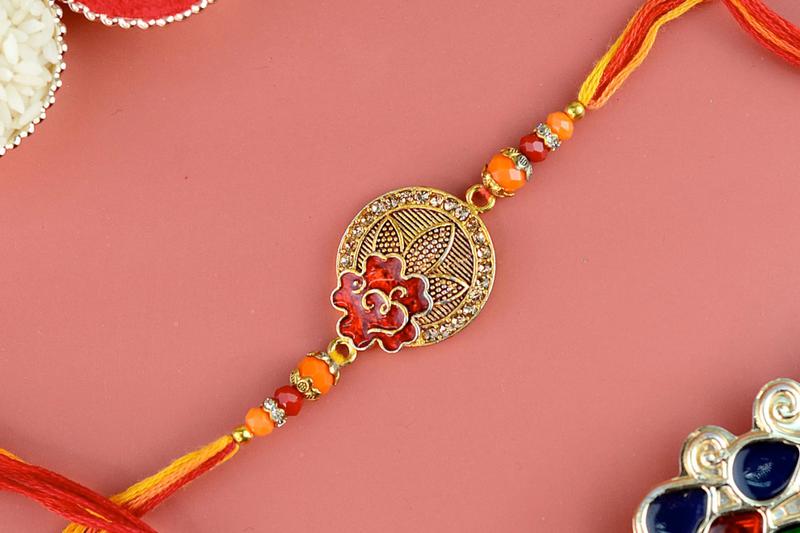
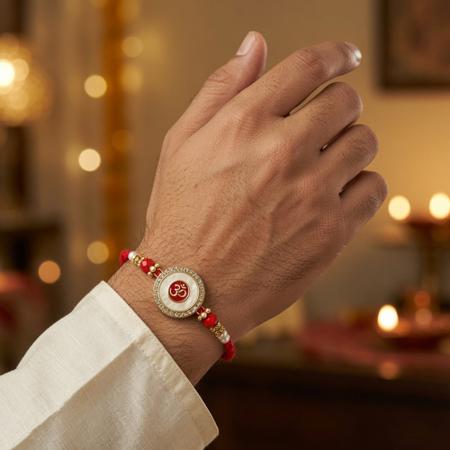
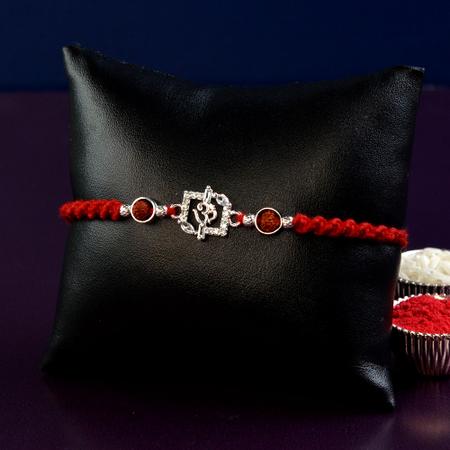
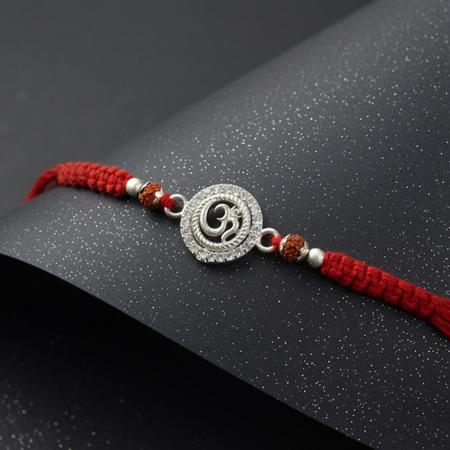
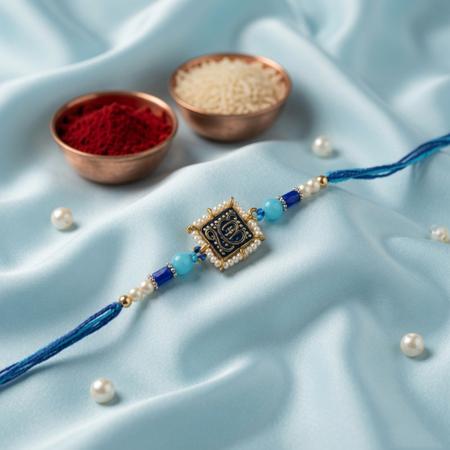
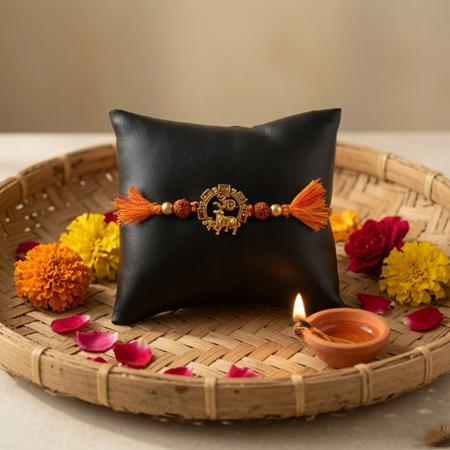
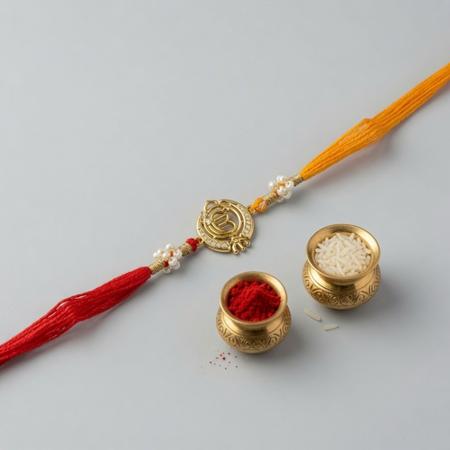
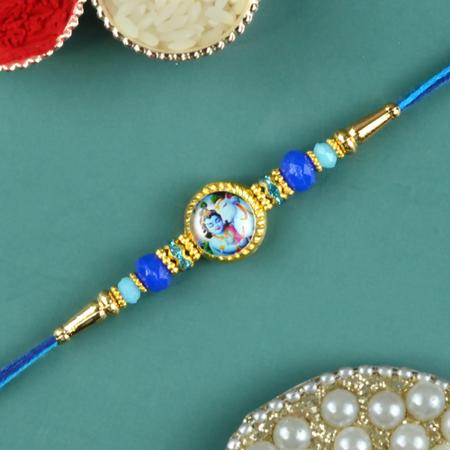
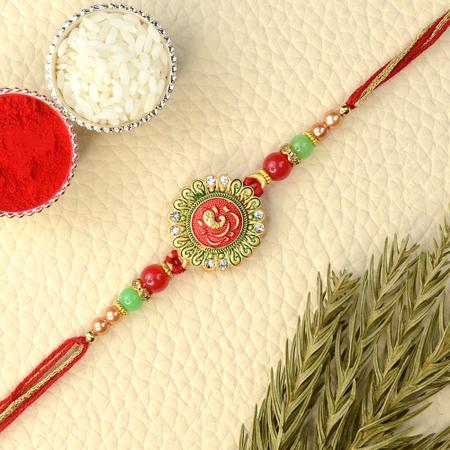
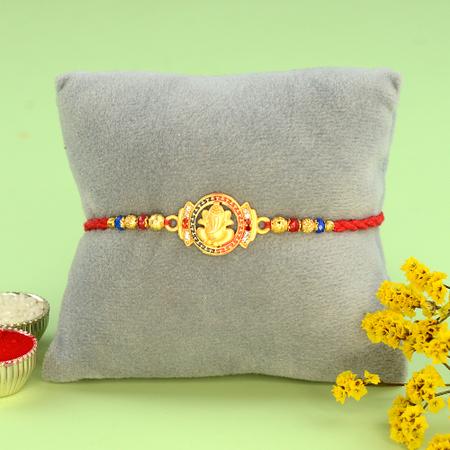
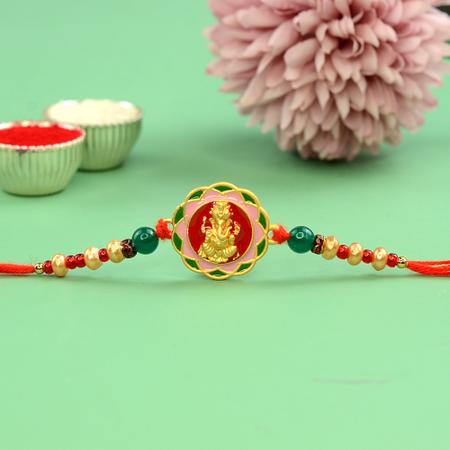
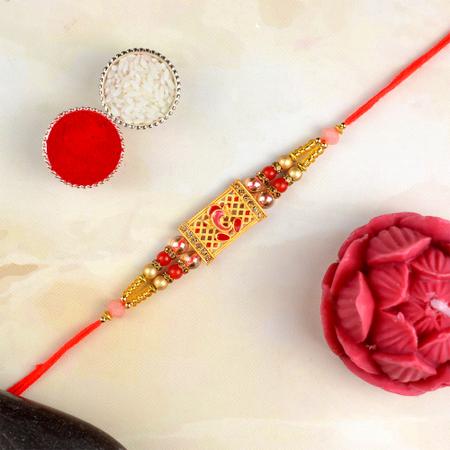
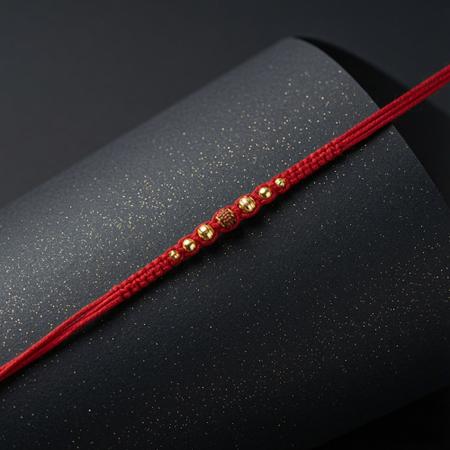
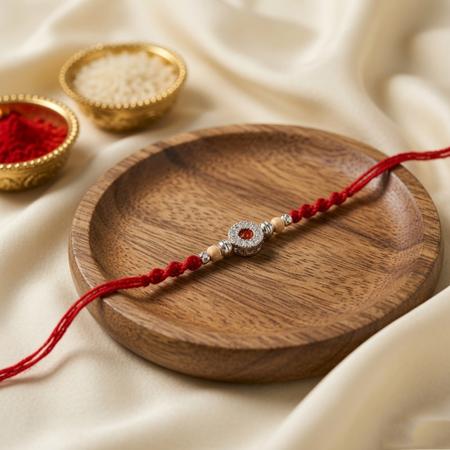
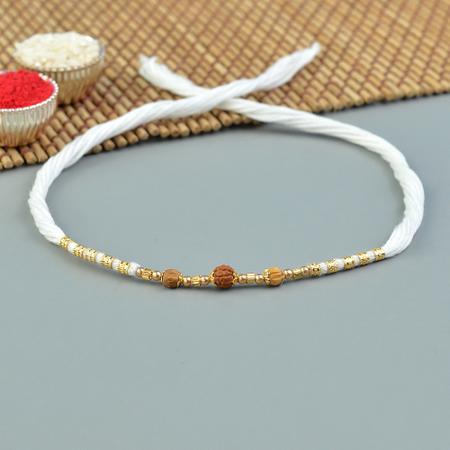
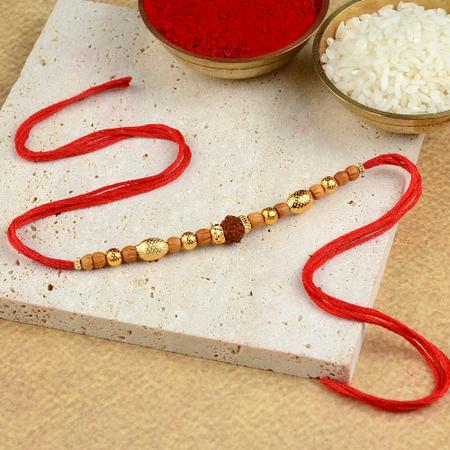
Most of us celebrate Raksha Bandhan with great pomp and gaiety. Tying rakhis on the wrists of the brothers is an undying tradition of the festival. Though the youth prefers trending and contemporary rakhi designs, there are some who still love the traditional designs. There is a deeper meaning of each traditional rakhi design. Some of the traditional rakhi designs include om rakhis, divine rakhi, rakhi sutra and more. This article not only offers a glimpse of the various traditional rakhi designs but also talks about what each of the symbols signify. Read to know more.
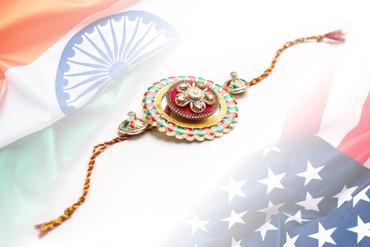
Raksha Bandhan is a special occasion dedicated to the beauty of the sibling bond. On this auspicious day, sisters tie the Rakhi thread on the wrists of their brothers and pray for their long life and happiness. On the other hand, brothers take up the solemn vow of protecting their sisters through all the highs and lows of life. Rakhi, also known as the sacred thread of love and protection, has a deep significance. It strengthens the bond of love between brothers and sisters. Various kinds of rakhi designs cater to various kinds of tastes and preferences. Though the trending Rakhis look exclusive, certain traditional designs have a timeless appeal. To know how to send Rakhi threads, go through the article on how to send rakhi to India from USA.
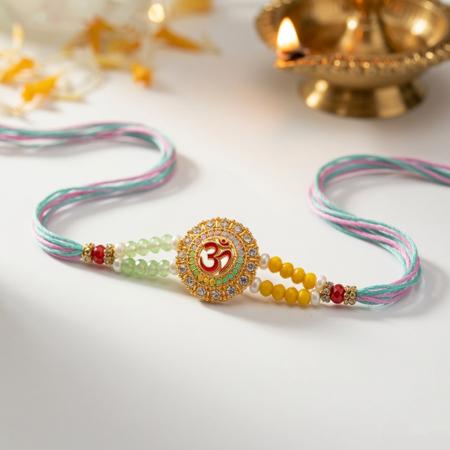
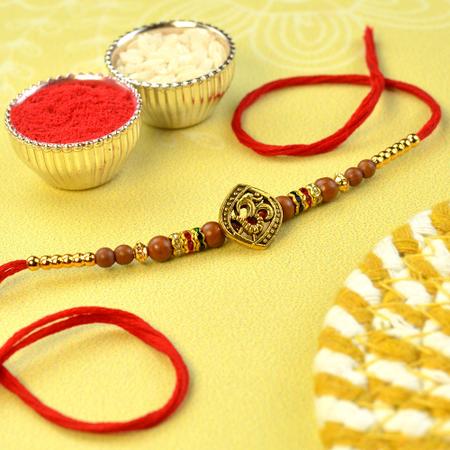
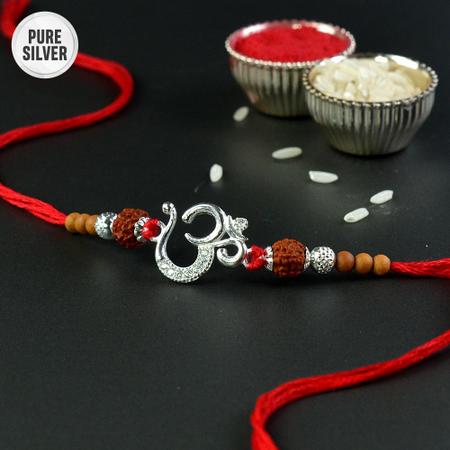
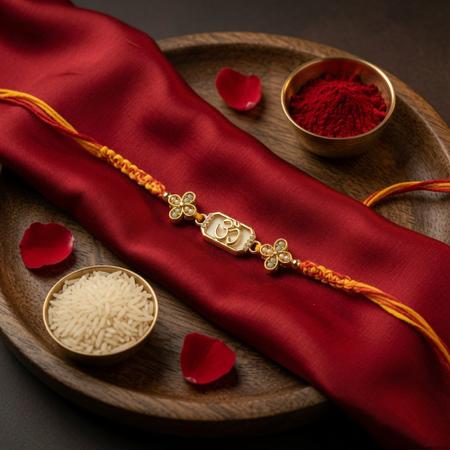
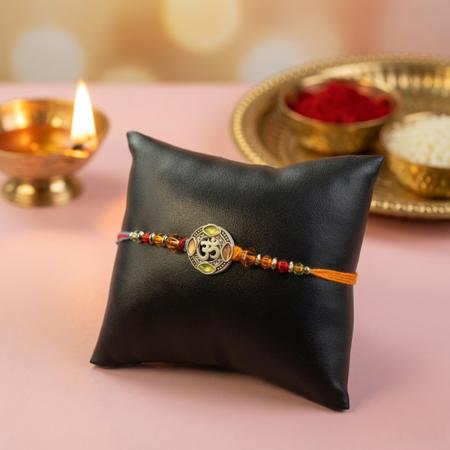
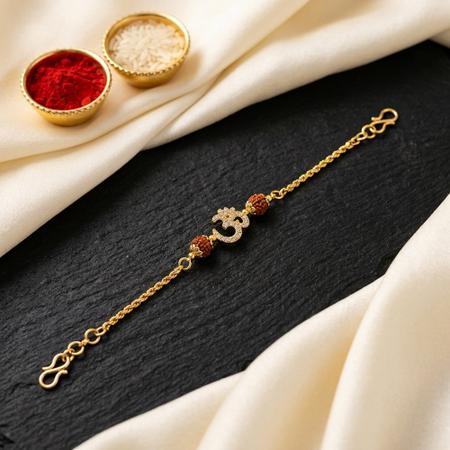
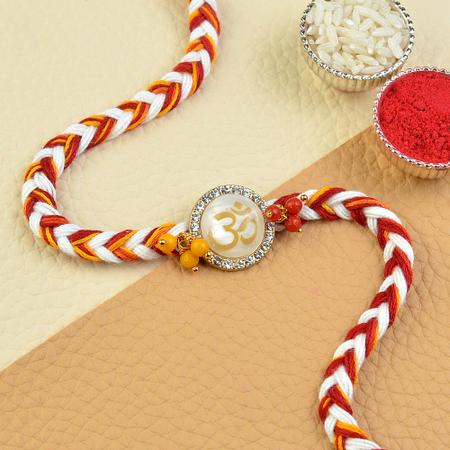
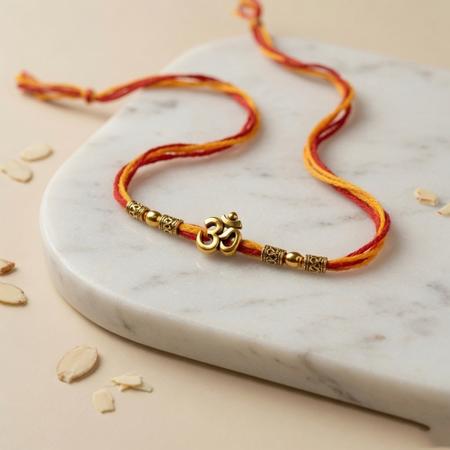
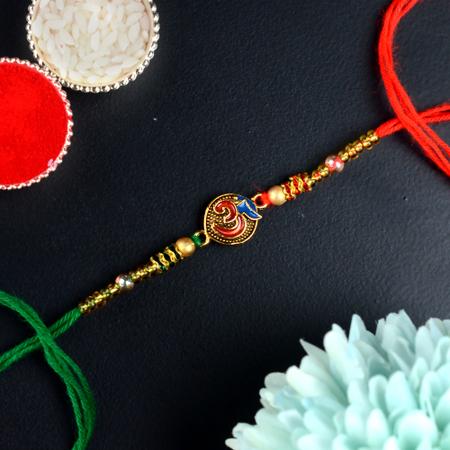
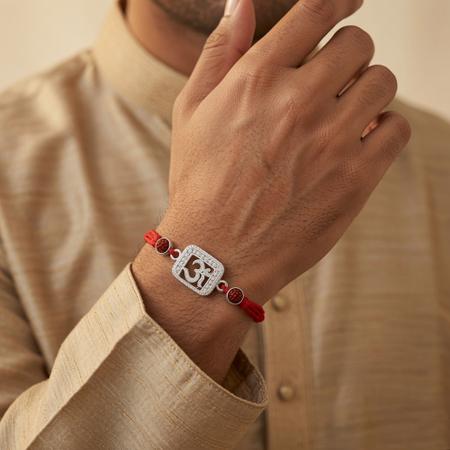
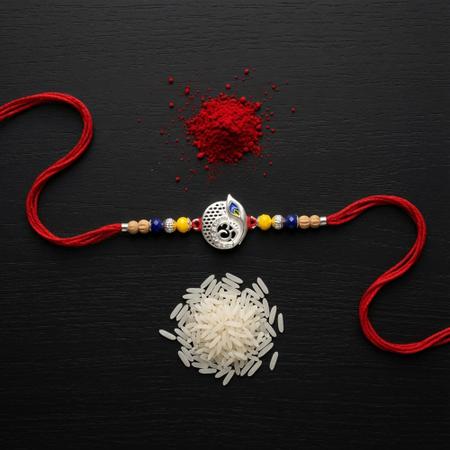
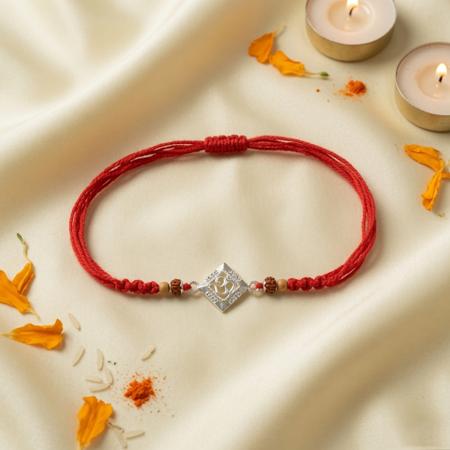
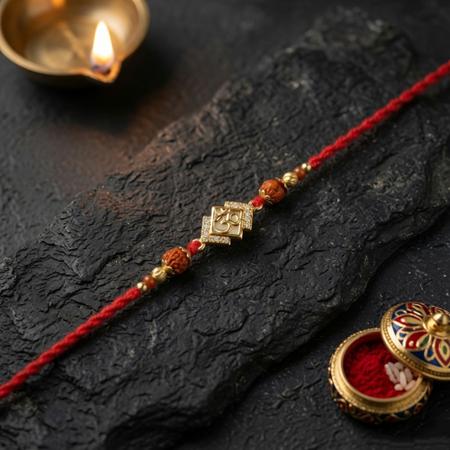
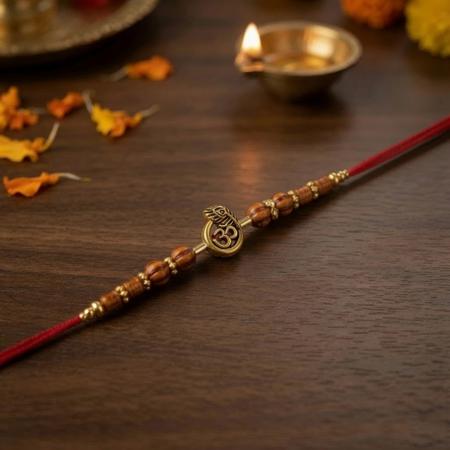
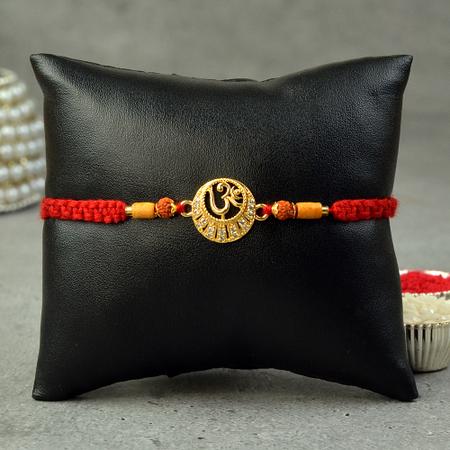
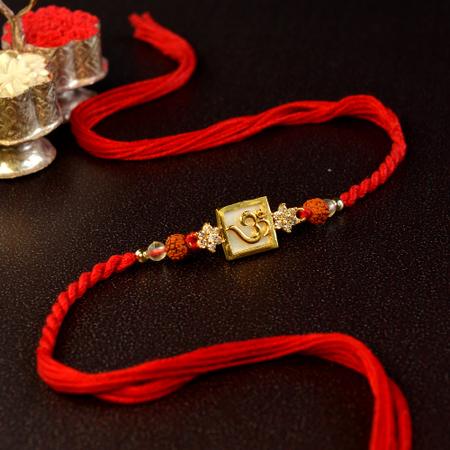
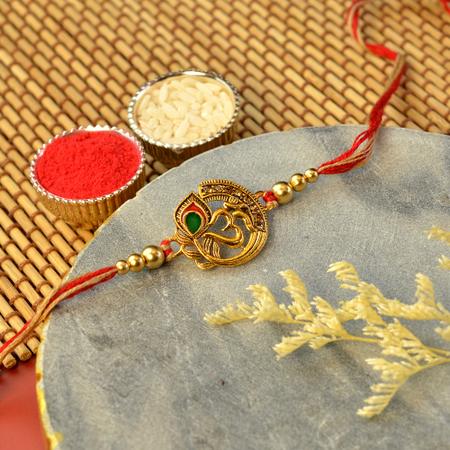
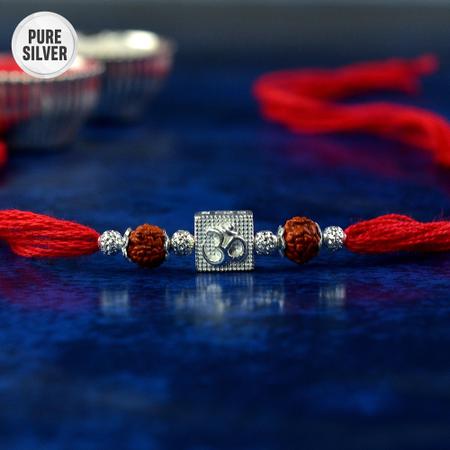
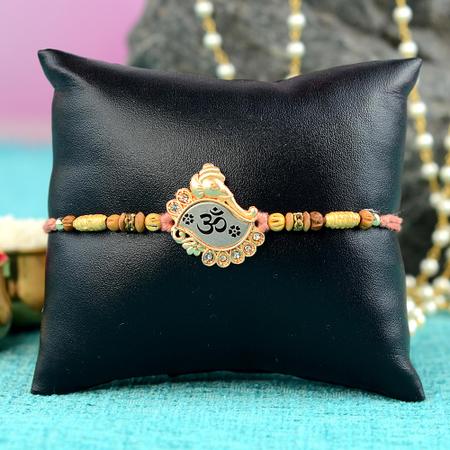
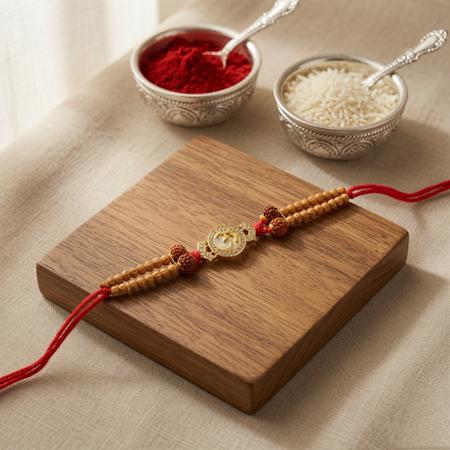
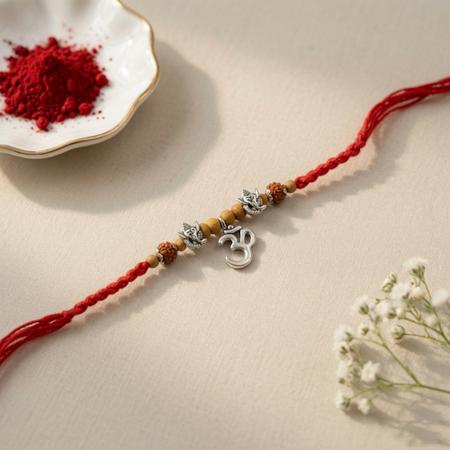
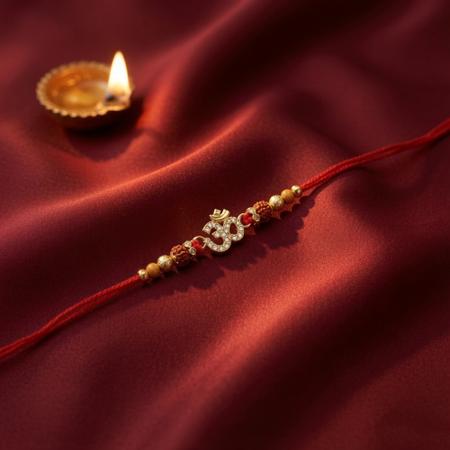
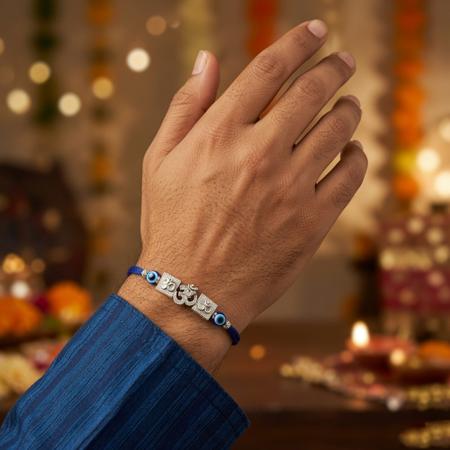
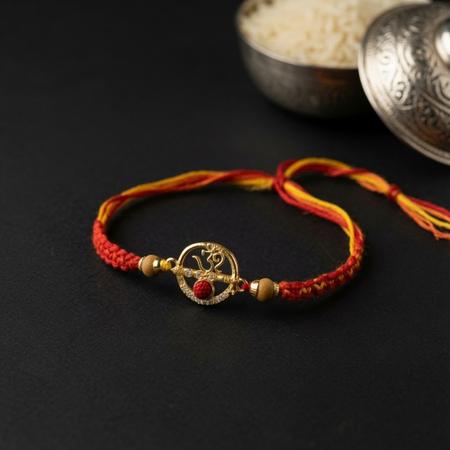
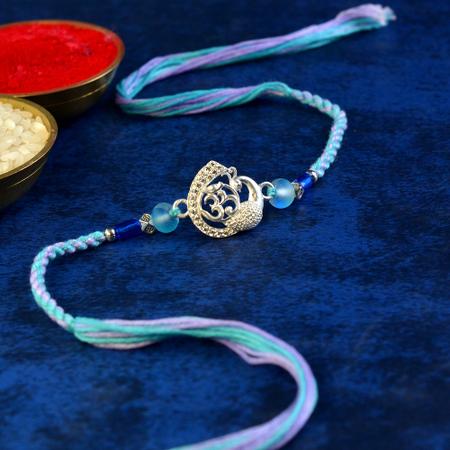
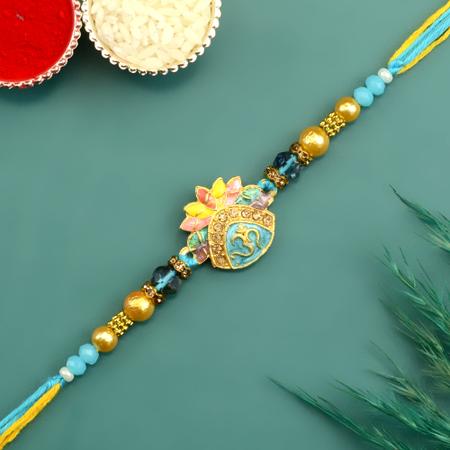
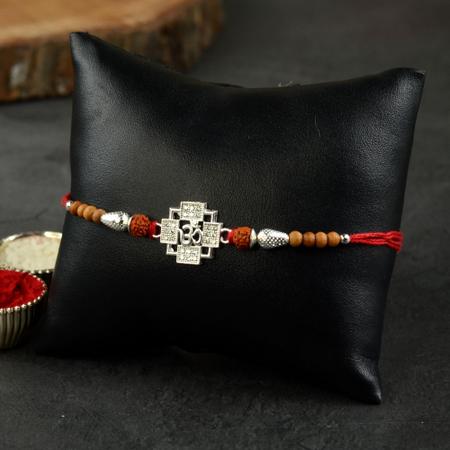
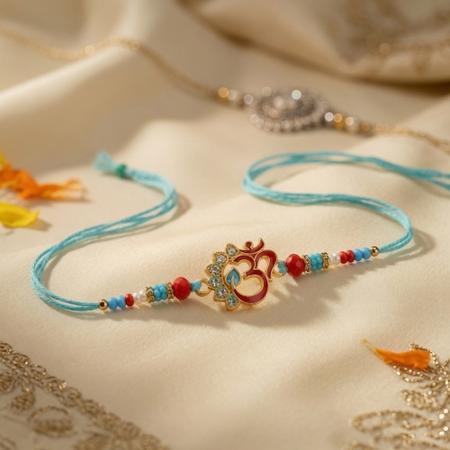
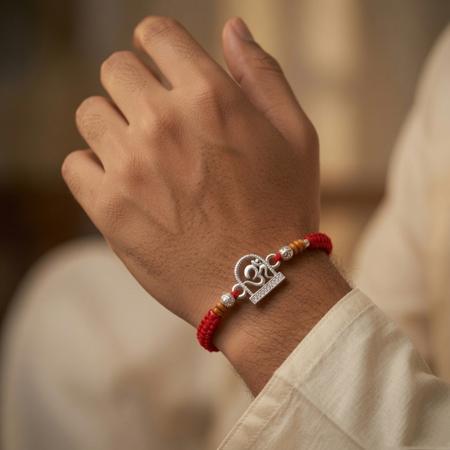
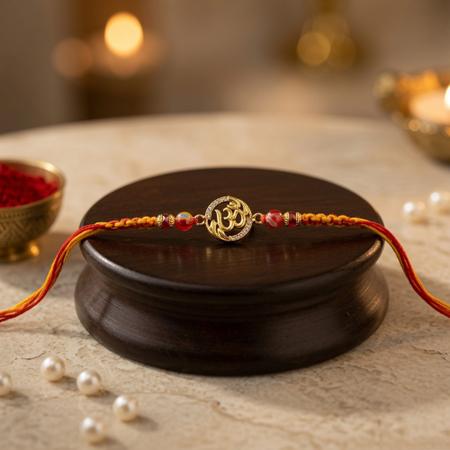
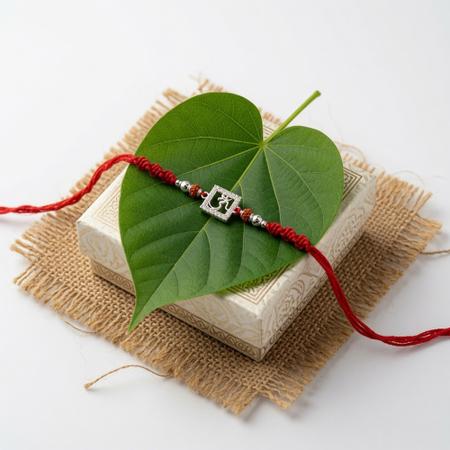
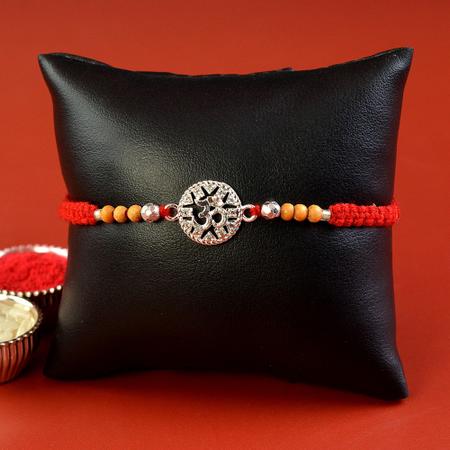
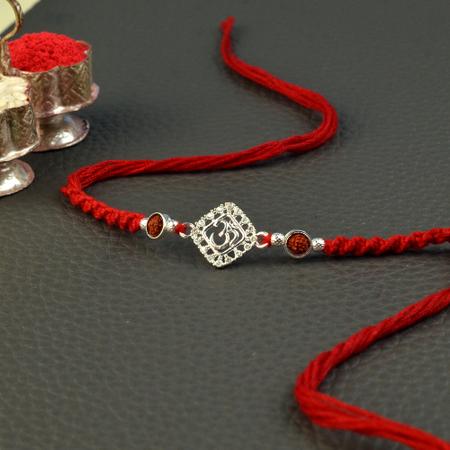
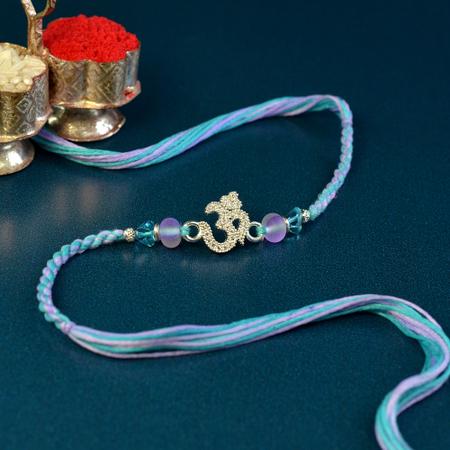
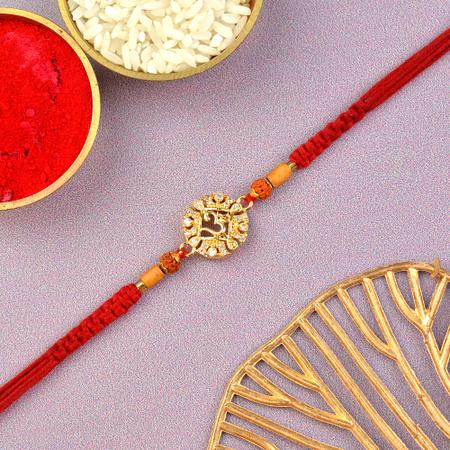
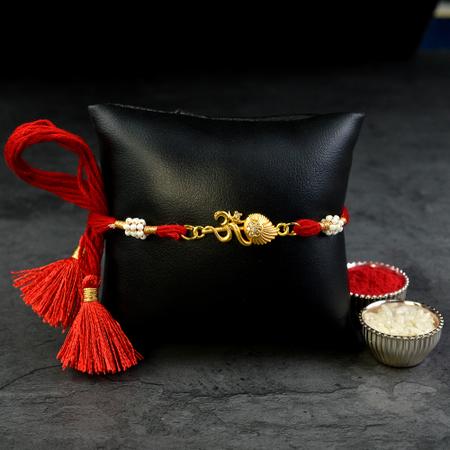
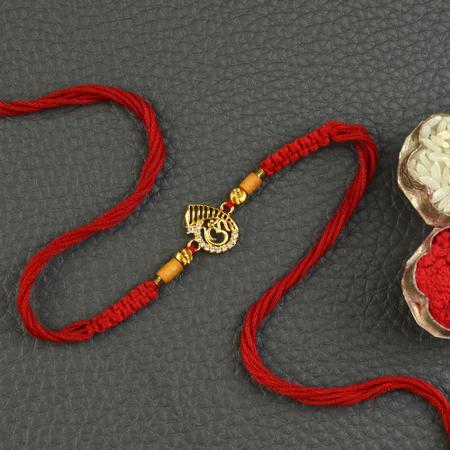
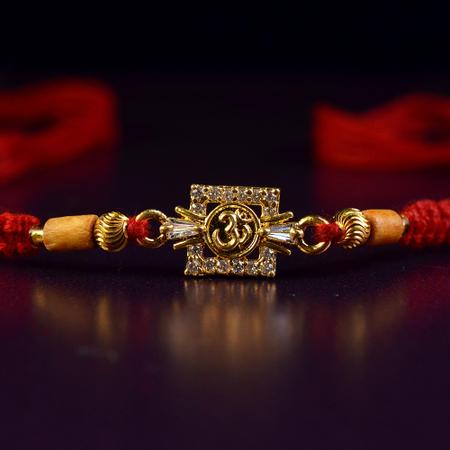
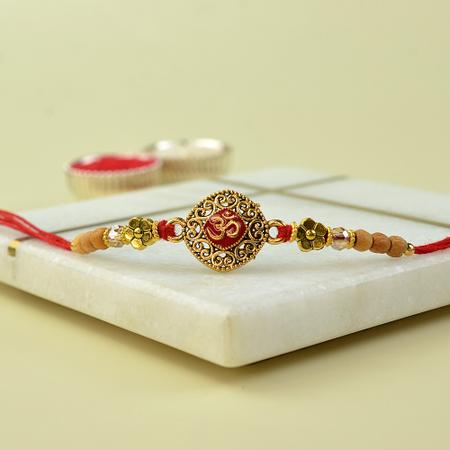
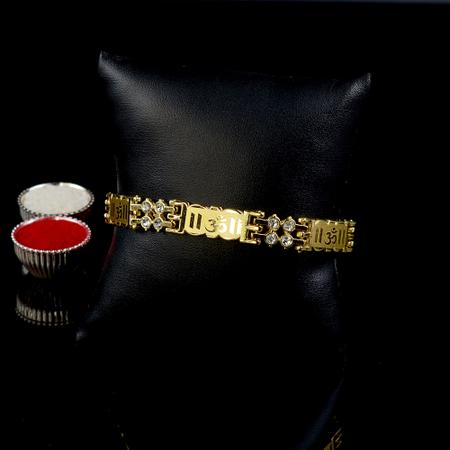
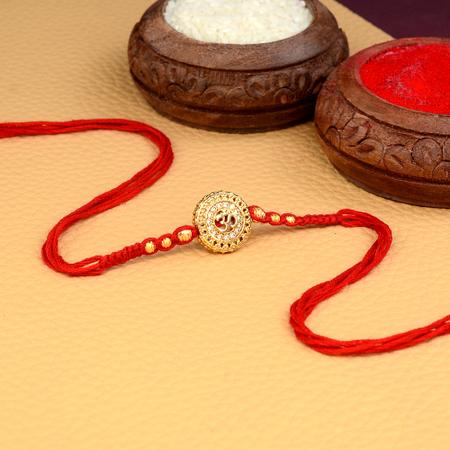
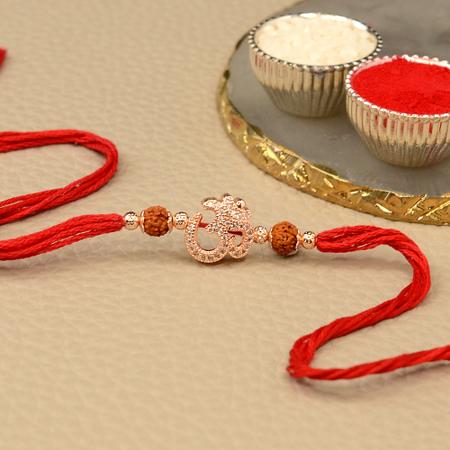
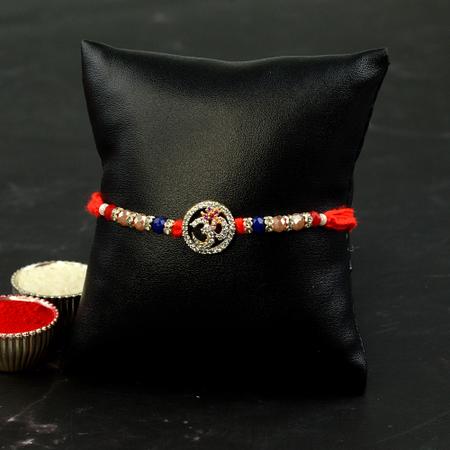
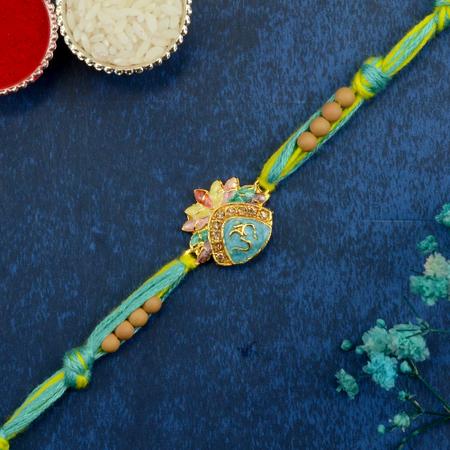
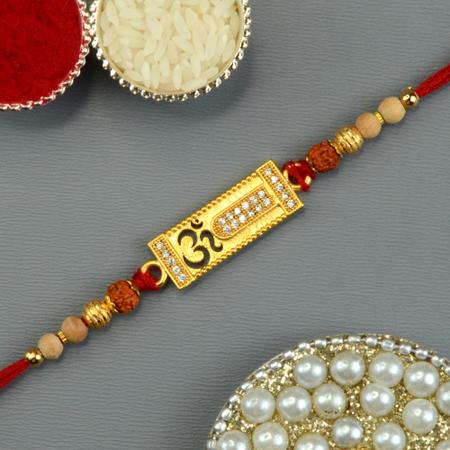
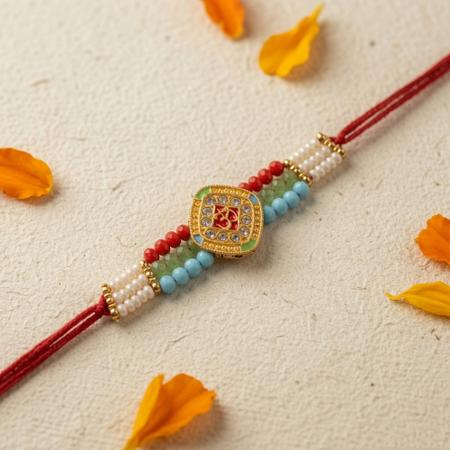
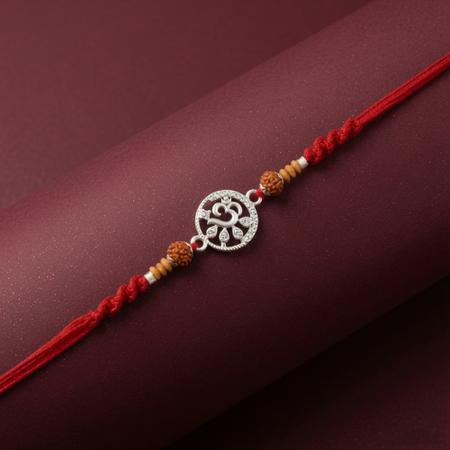
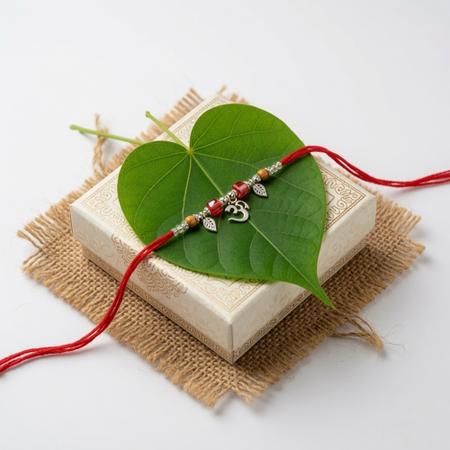
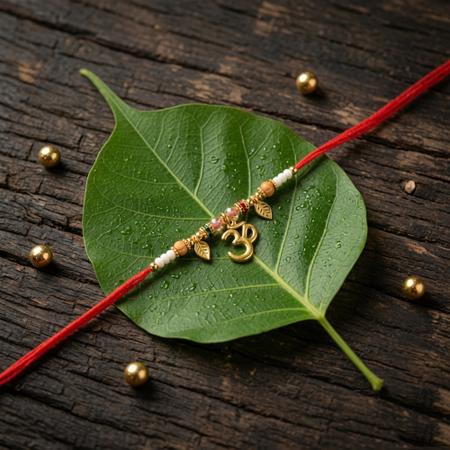
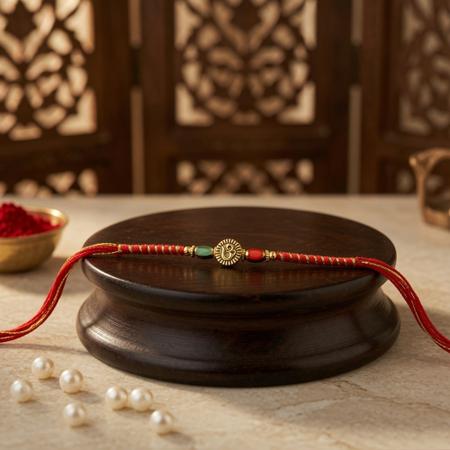
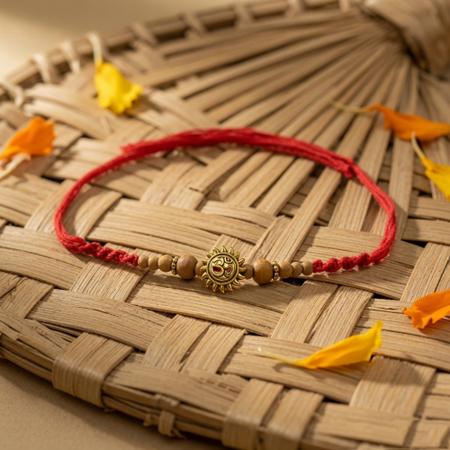
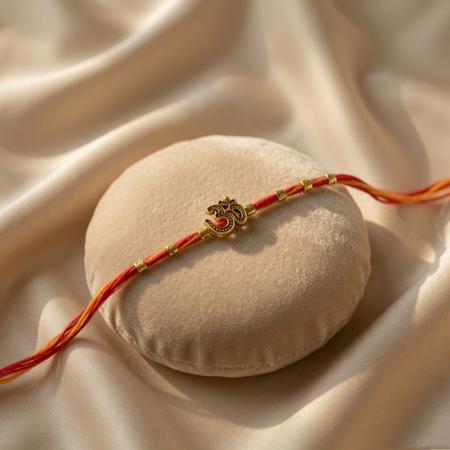
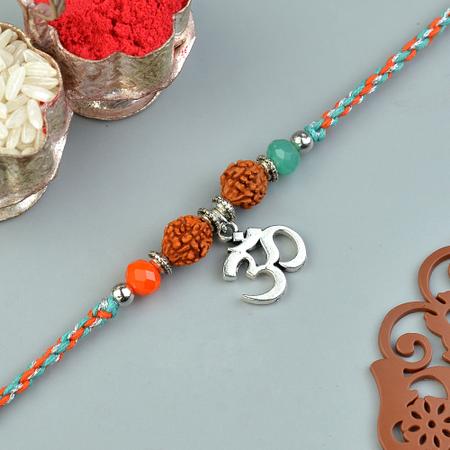
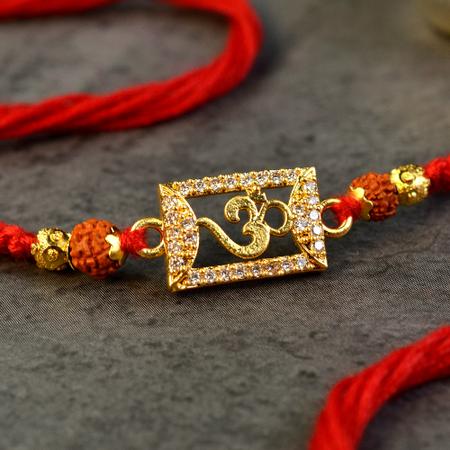
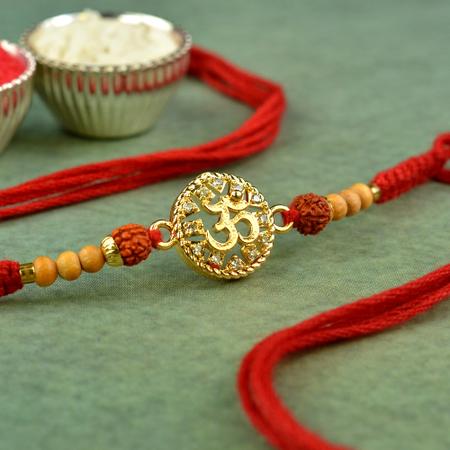
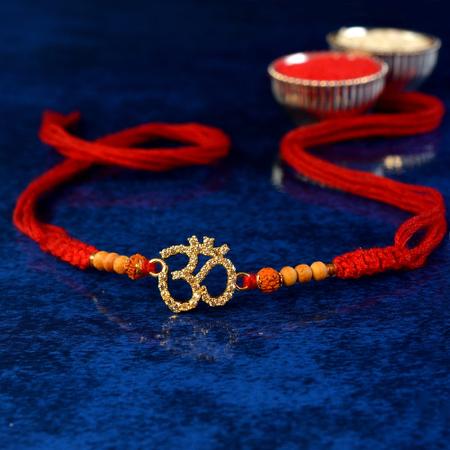
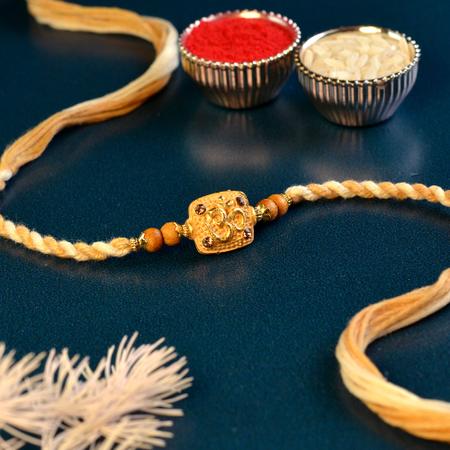
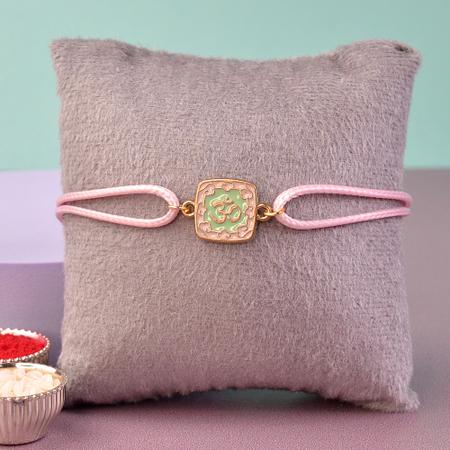
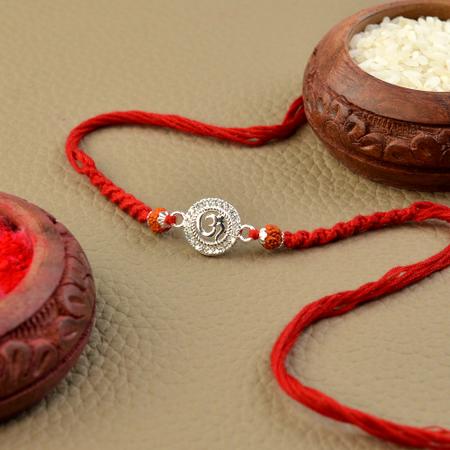
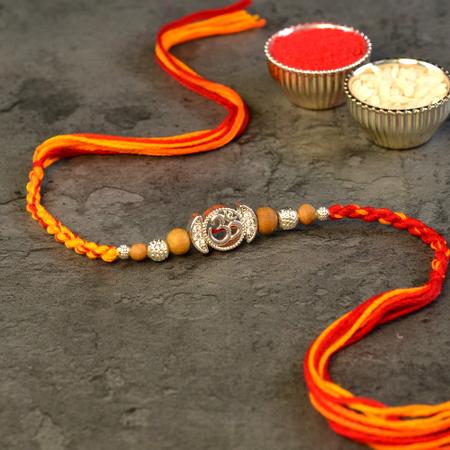
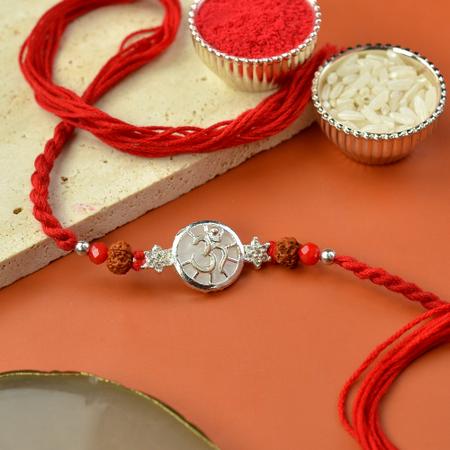
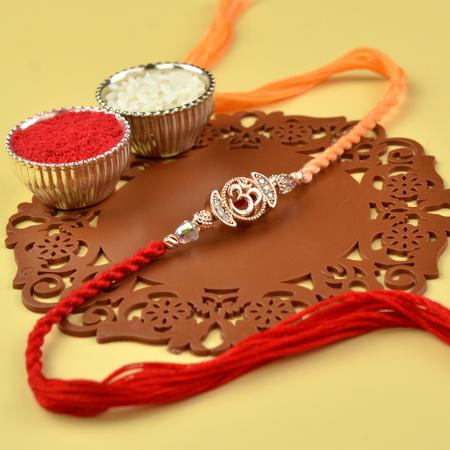
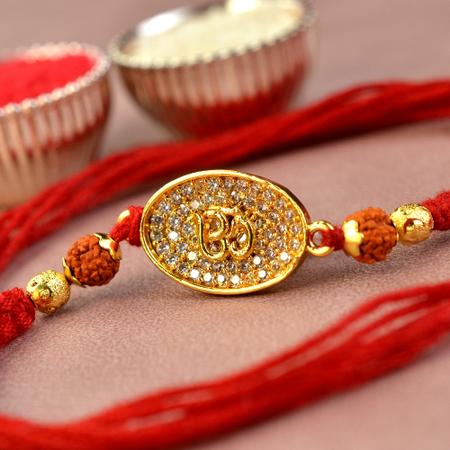
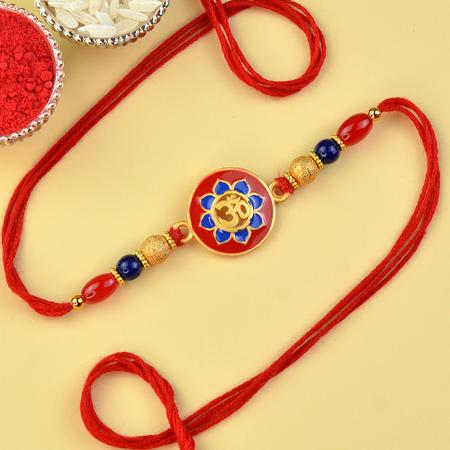
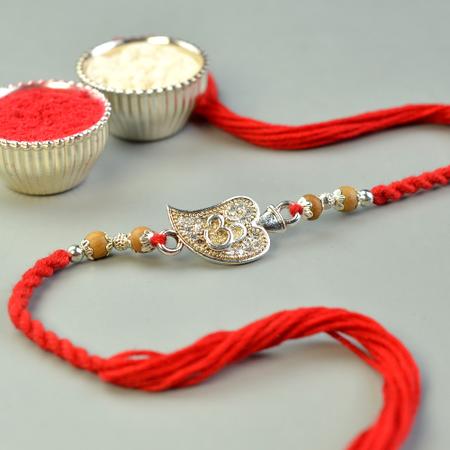
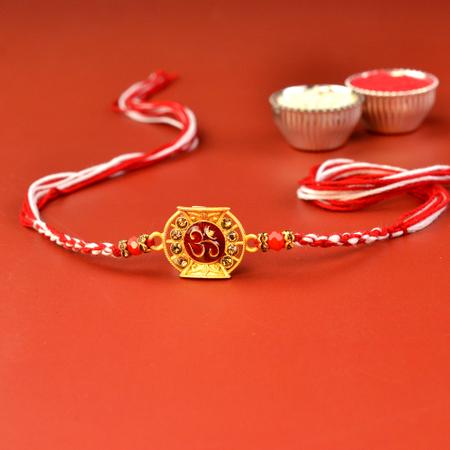
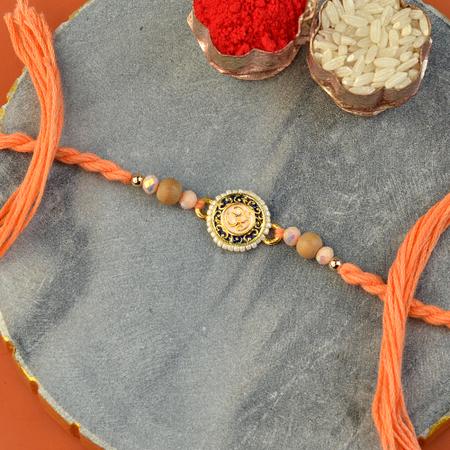
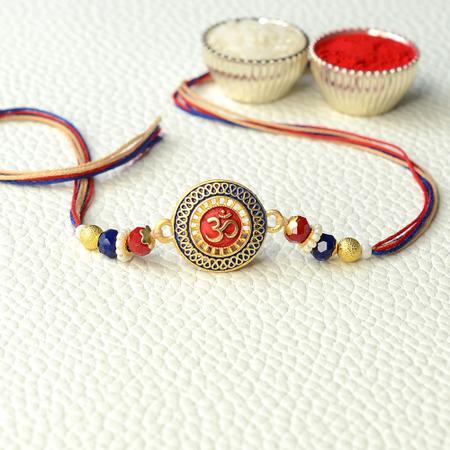
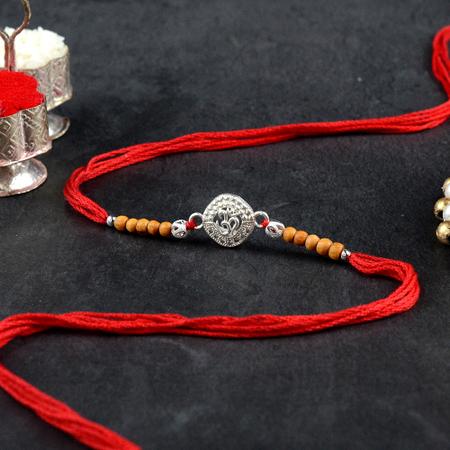
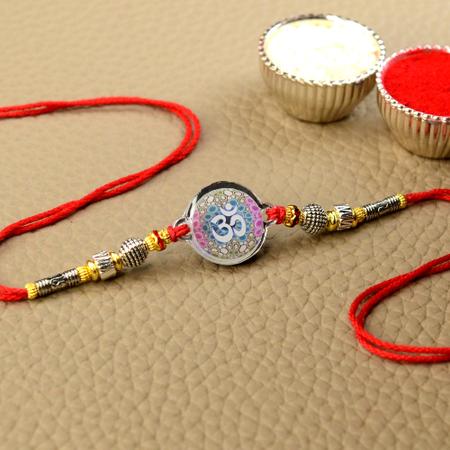
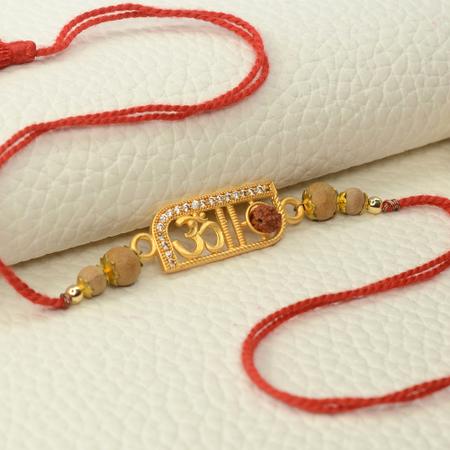
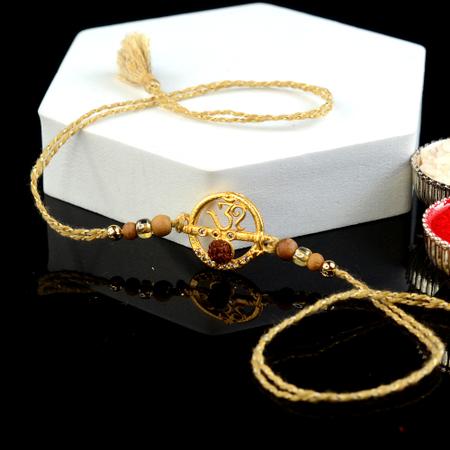
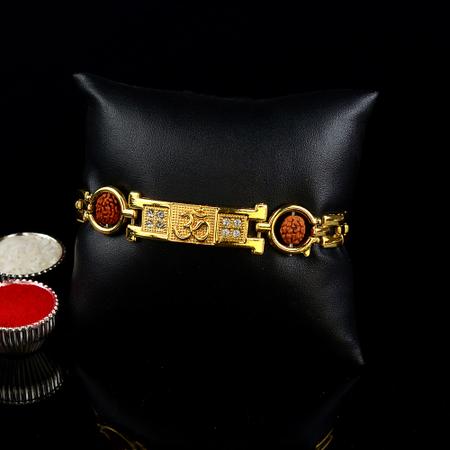
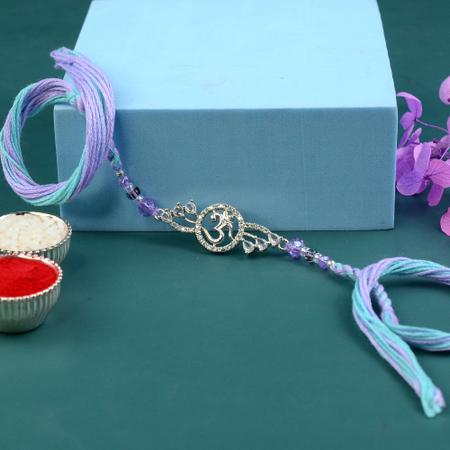
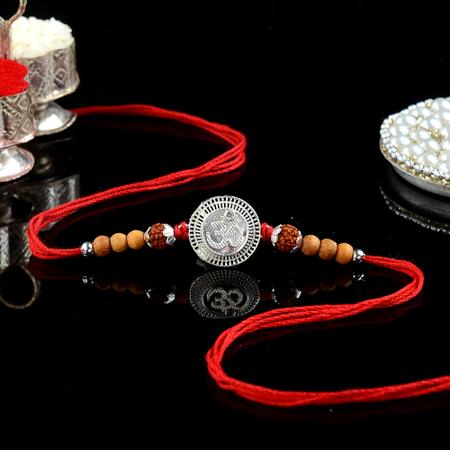
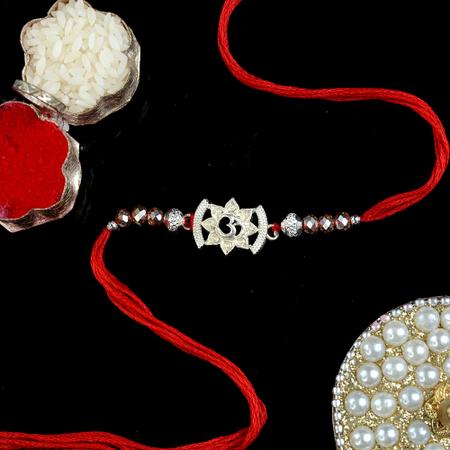
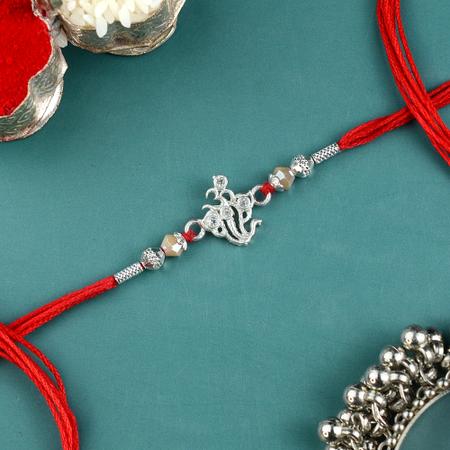
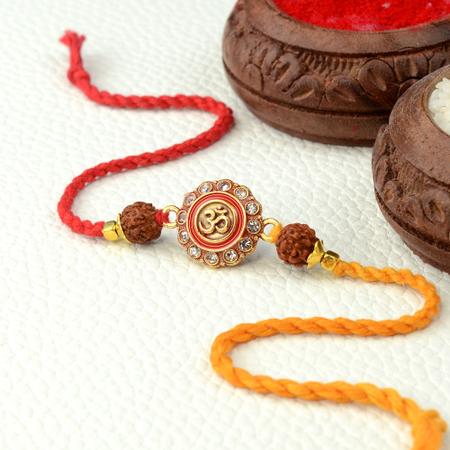
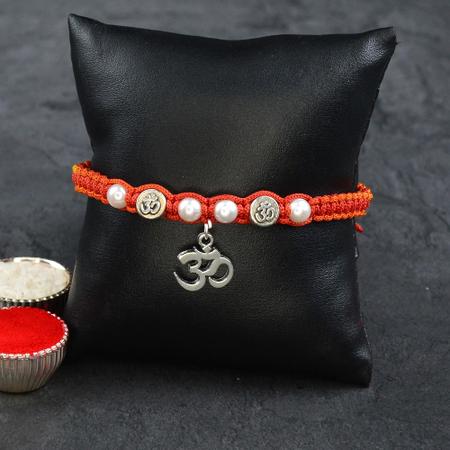
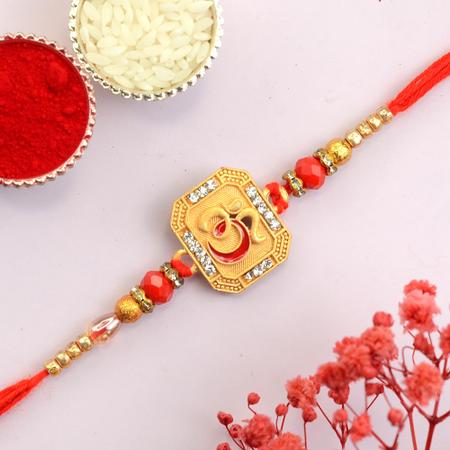
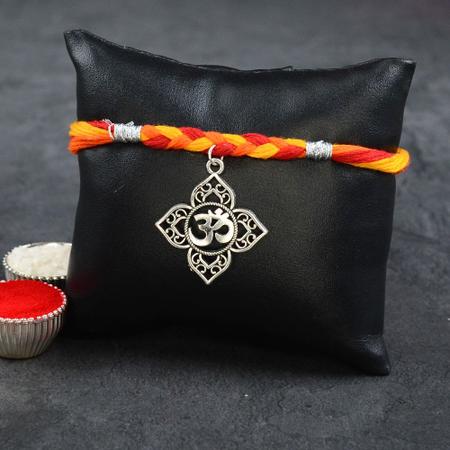
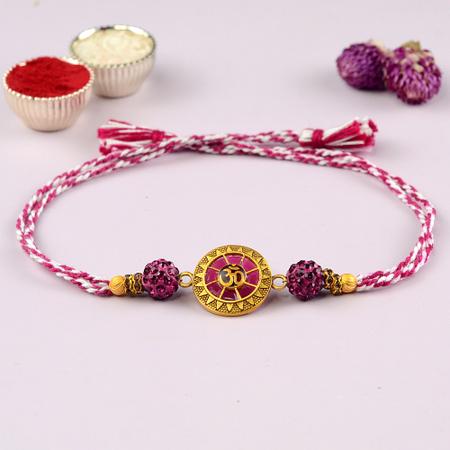
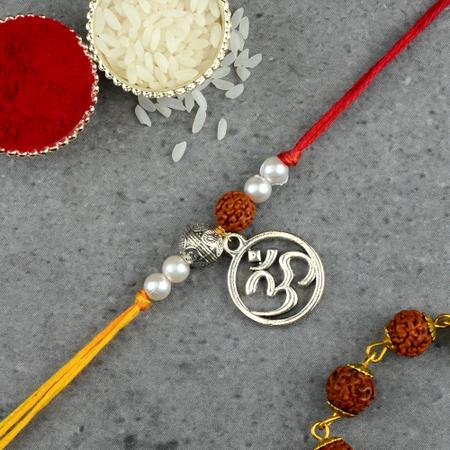
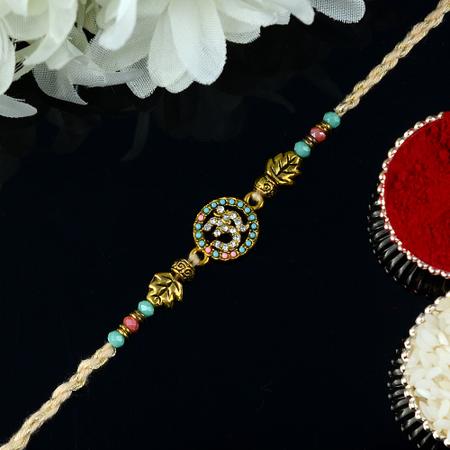
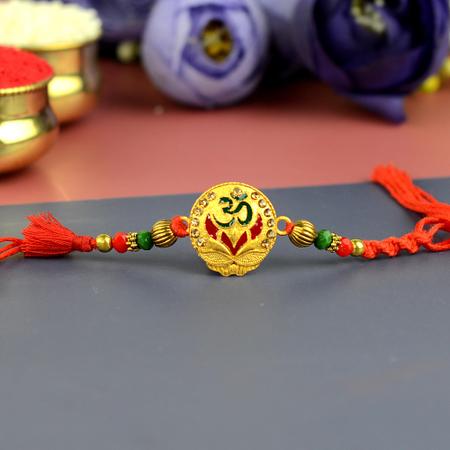
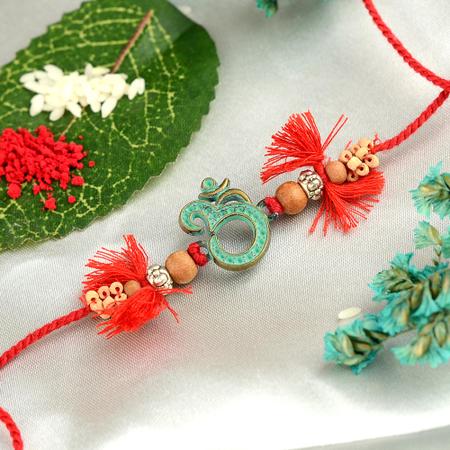
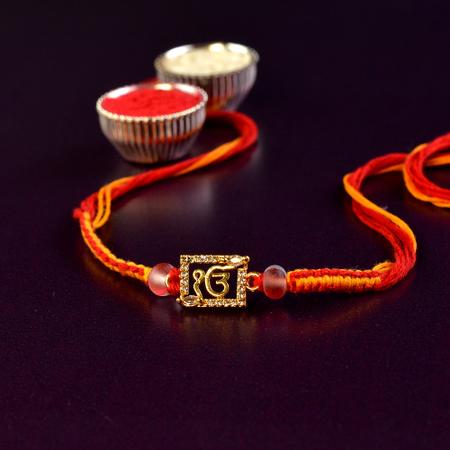
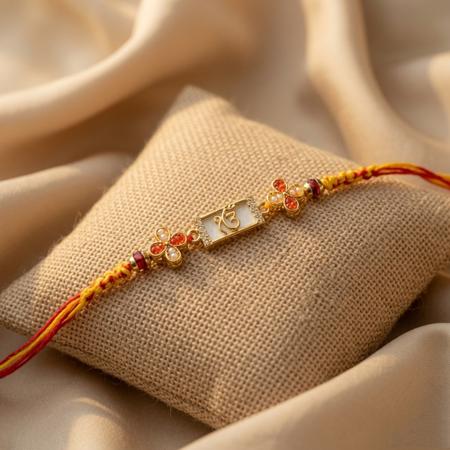
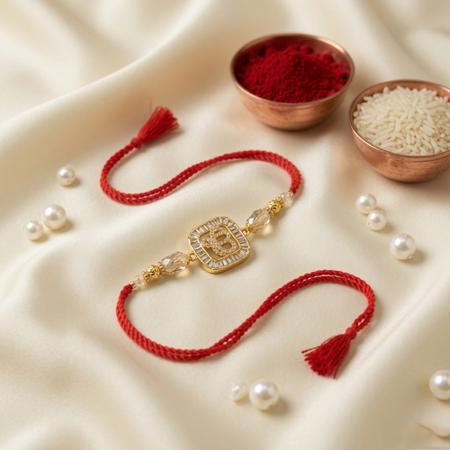
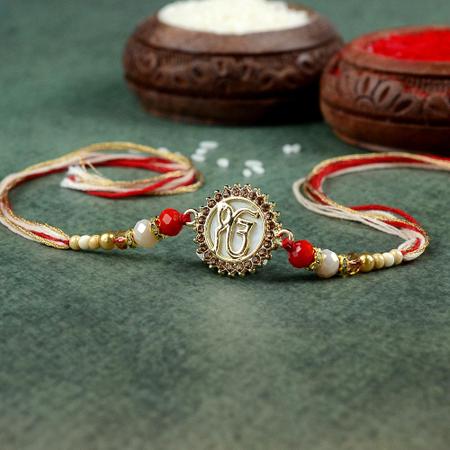
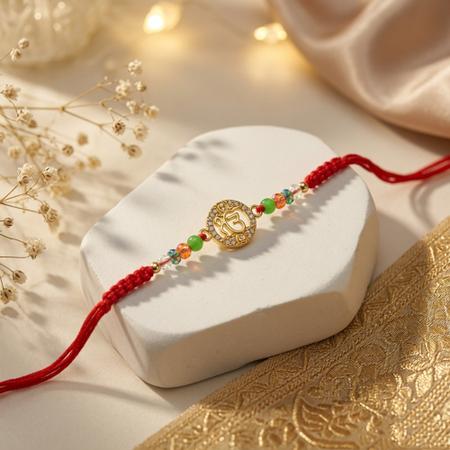
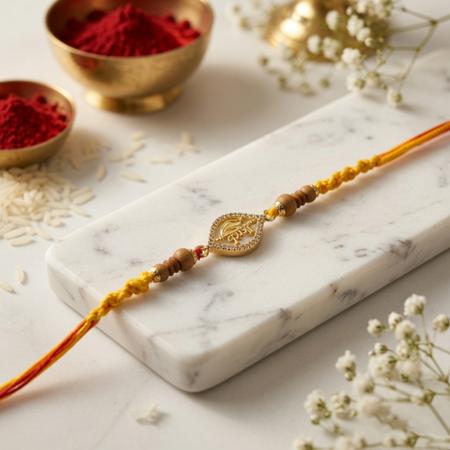
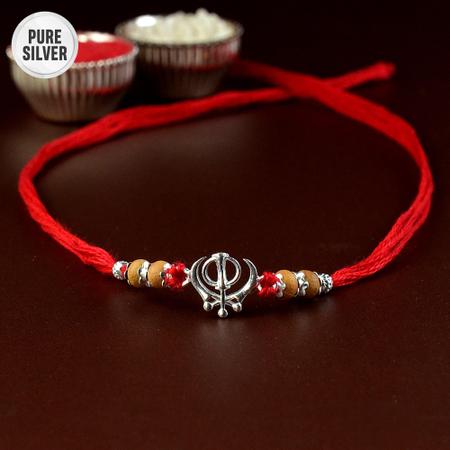
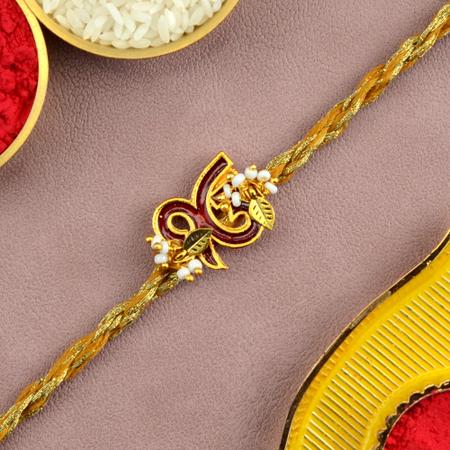
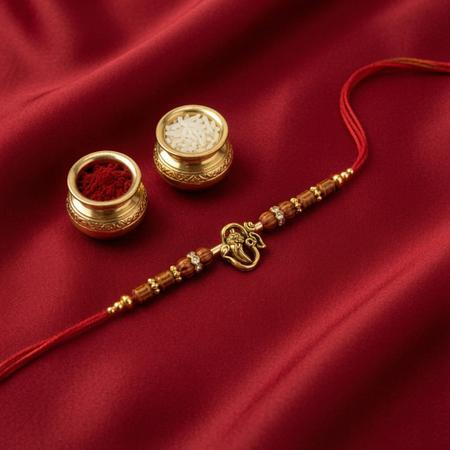
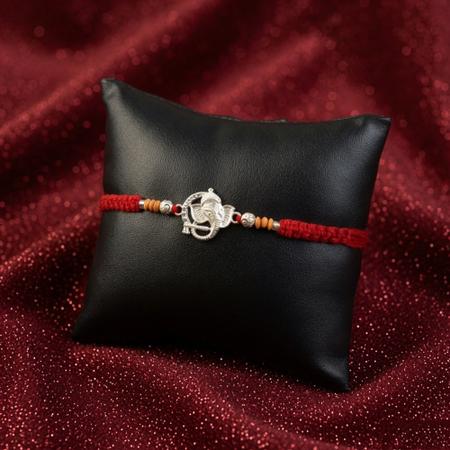
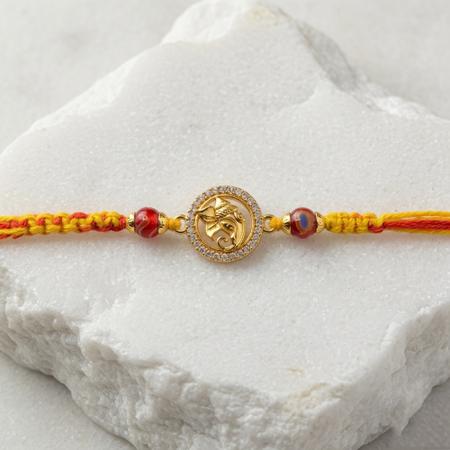
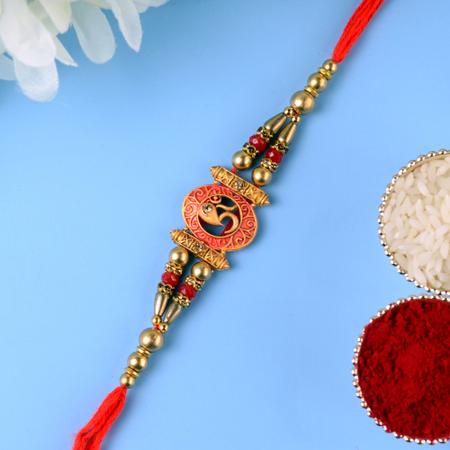
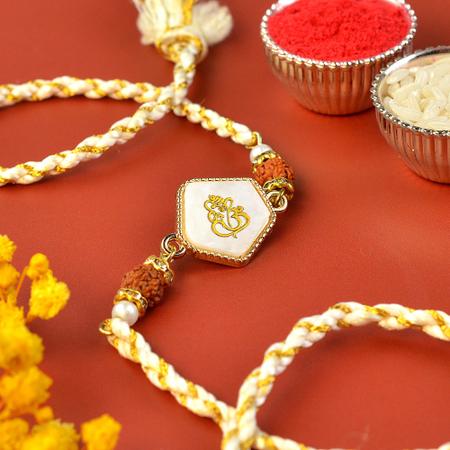
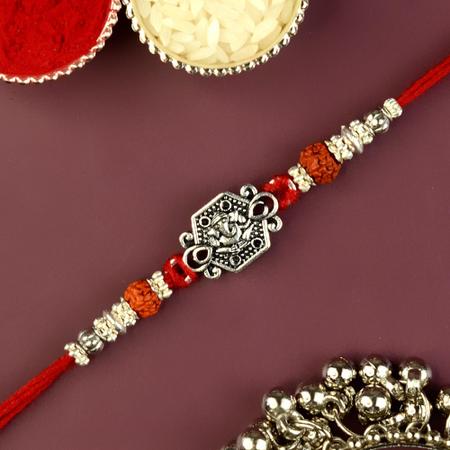
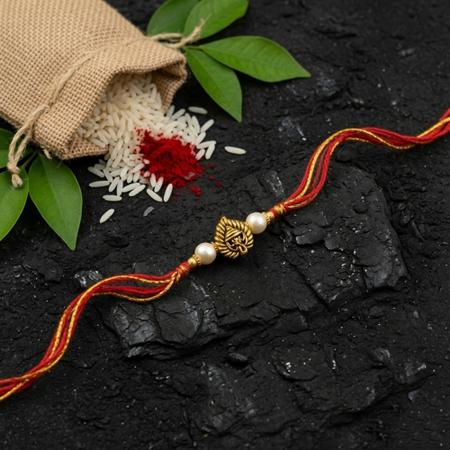
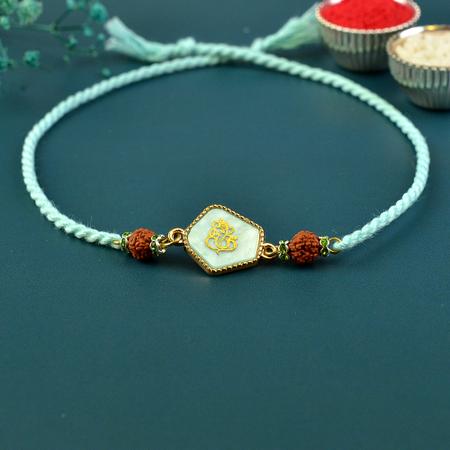
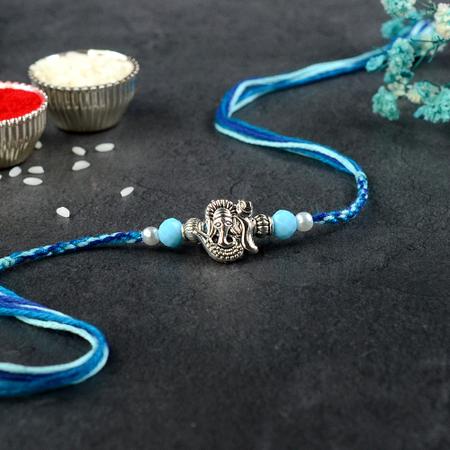
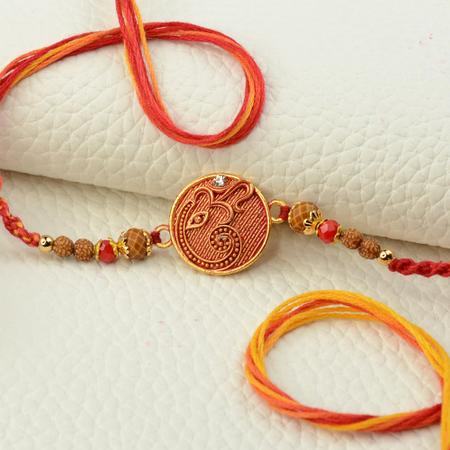
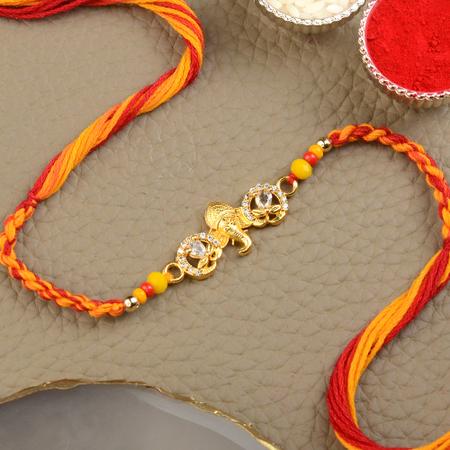
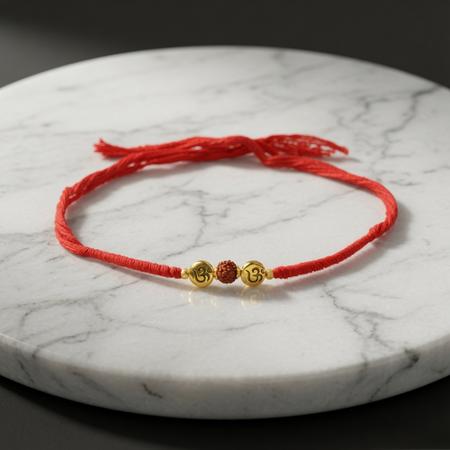
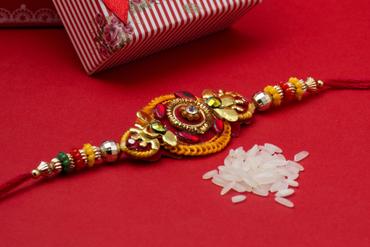
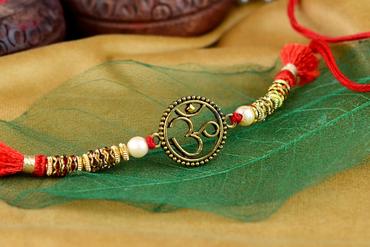
According to Hinduism, chanting om restores the balance of body, mind, and spirit. Also known as the eternal sound of the universe, om elevates the state of consciousness called samadhi. Om is also a popular traditional rakhi design that keeps your brothers protected from various dangers in life. It is also believed that Lord Shiva’s blessing will always be with him if he wears om rakhis. Our collection includes spectacular designs of om and onkar rakhis that reflect supreme craftsmanship. It is perfect for elder brothers who have a spiritual bent of mind.
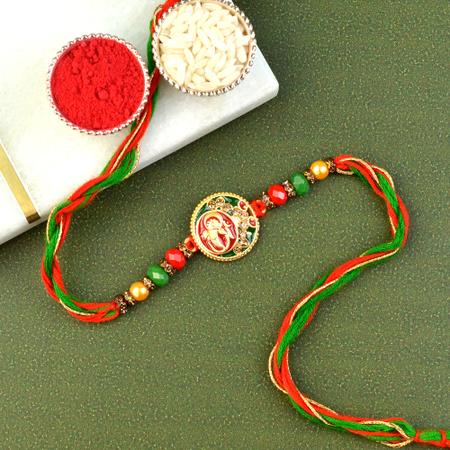
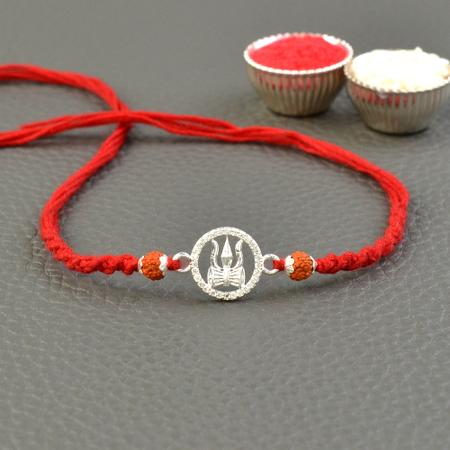
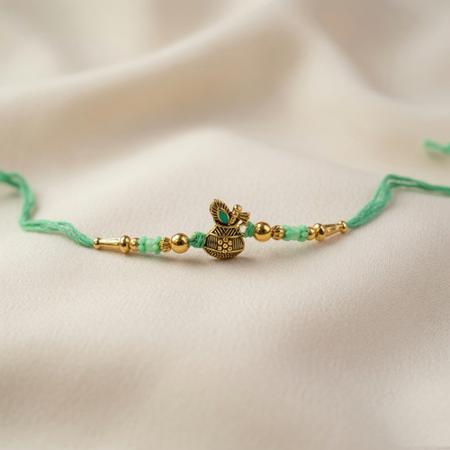
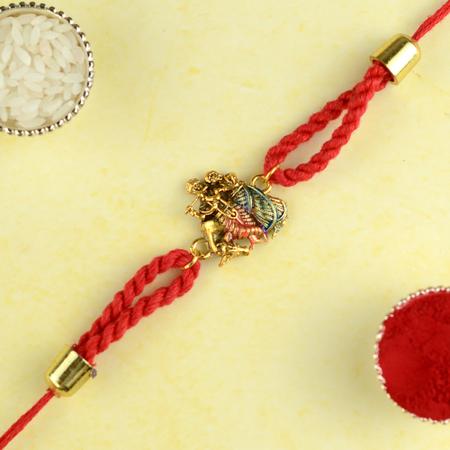
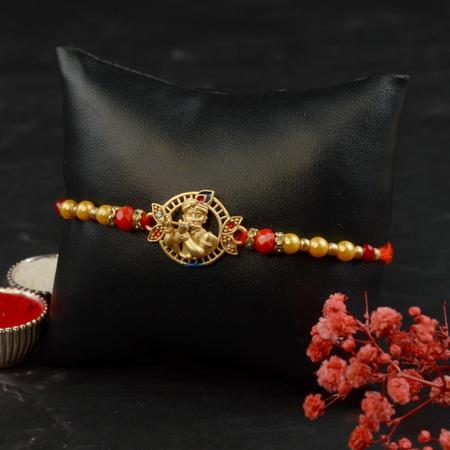
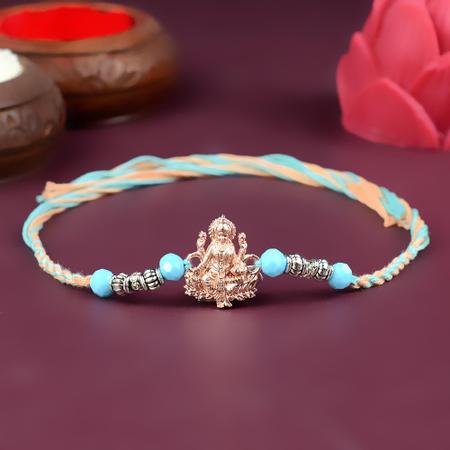
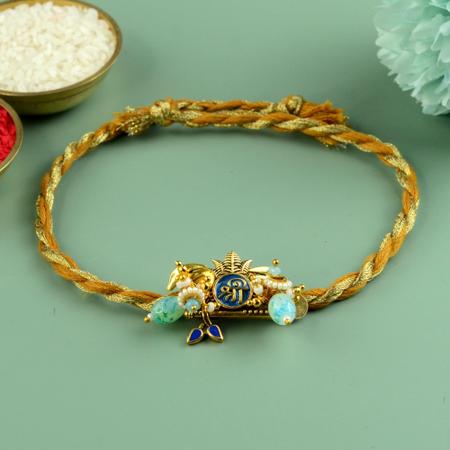
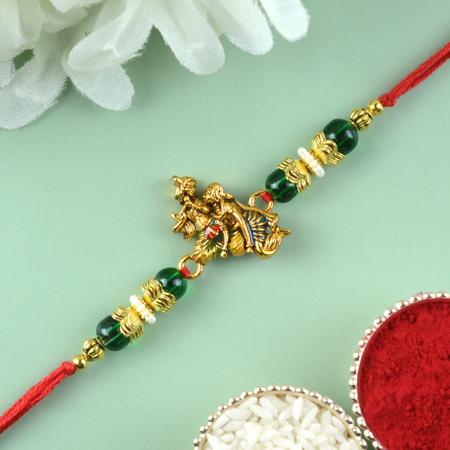
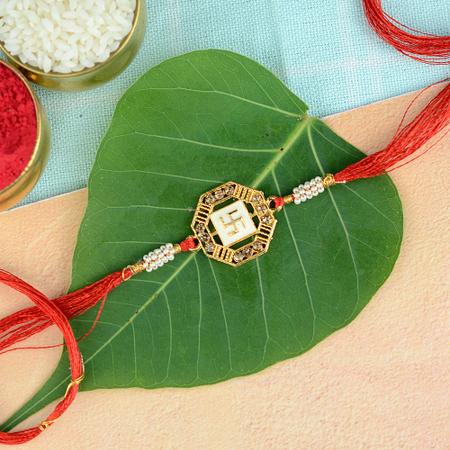
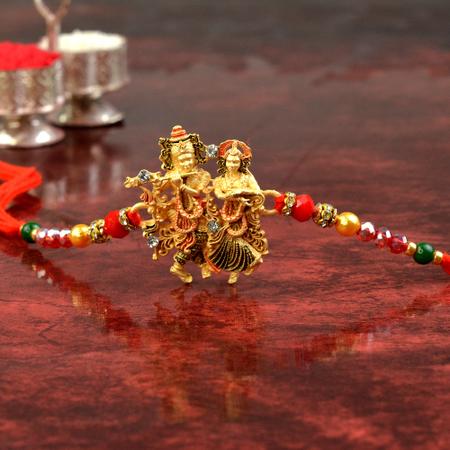
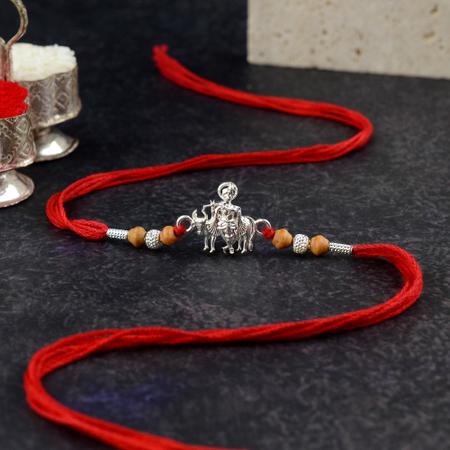
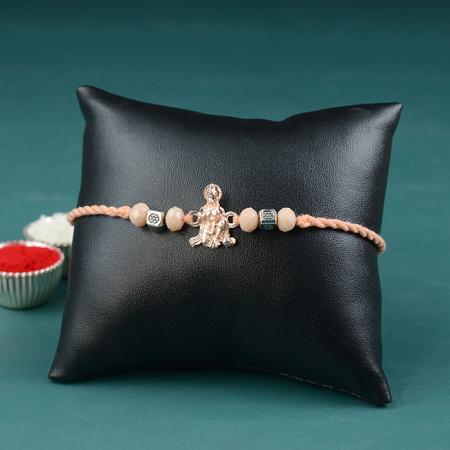
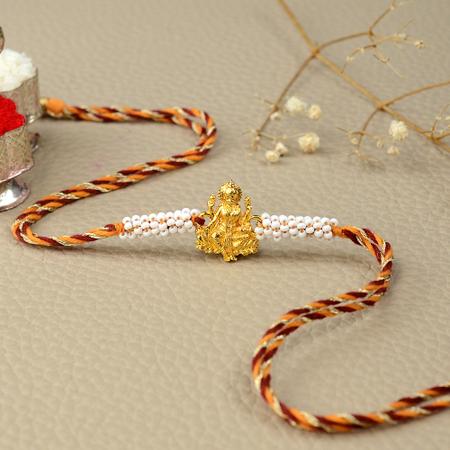
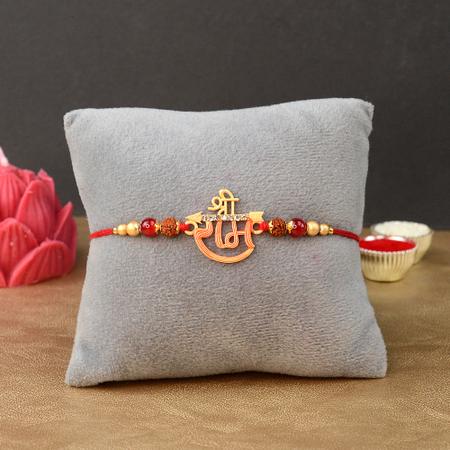
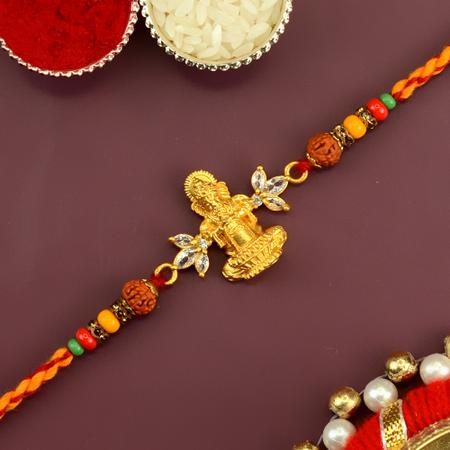
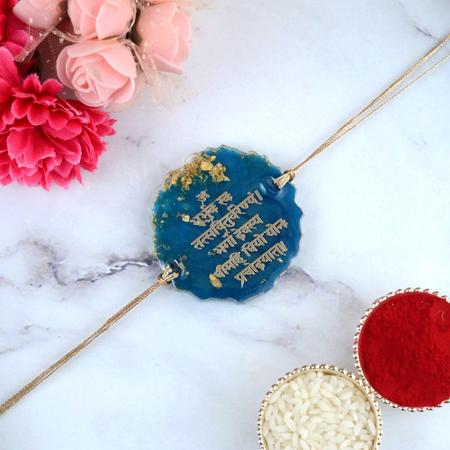
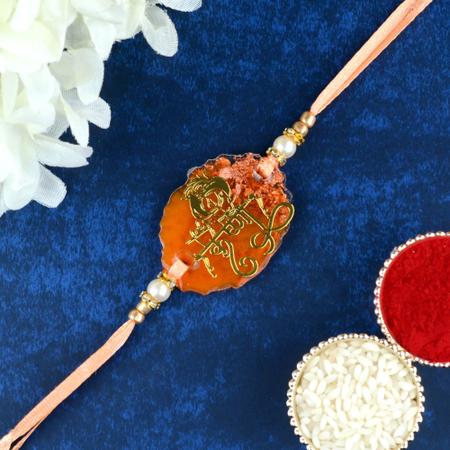
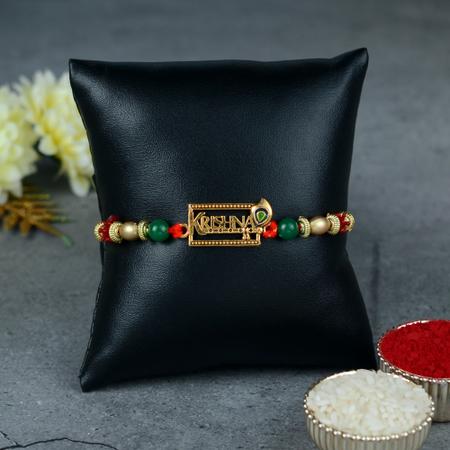
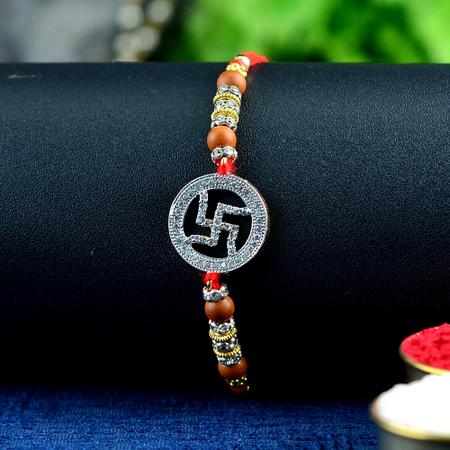
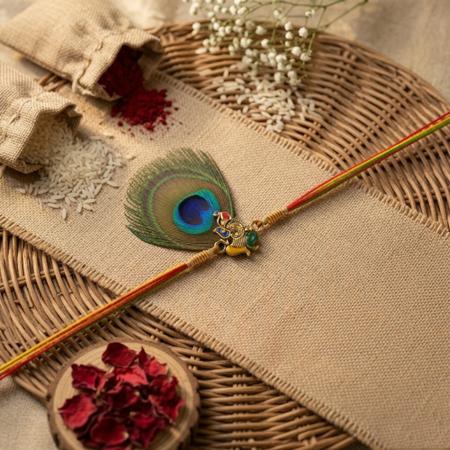
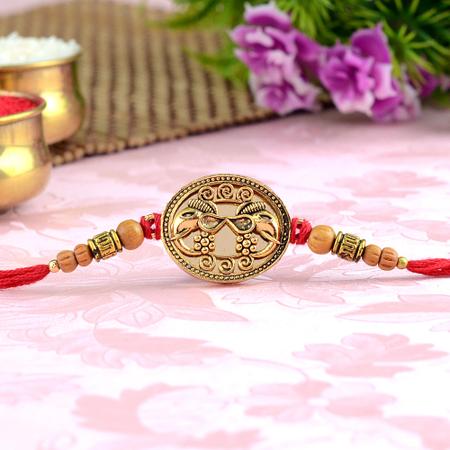
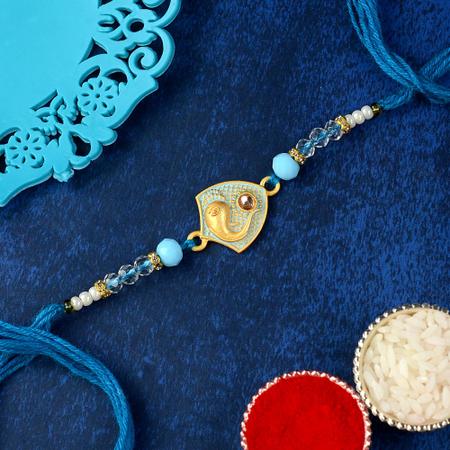
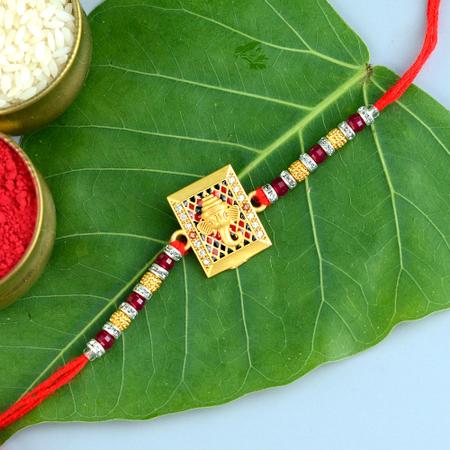
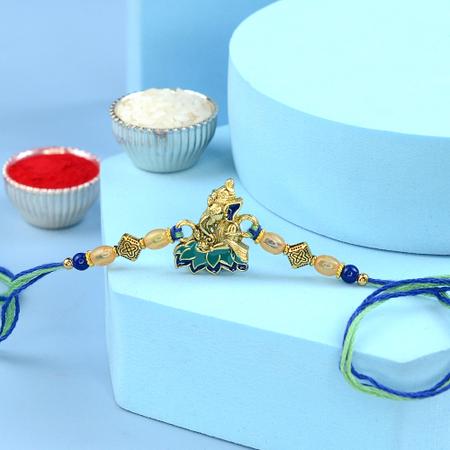
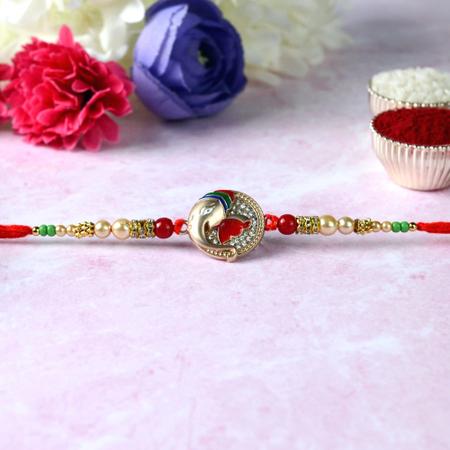
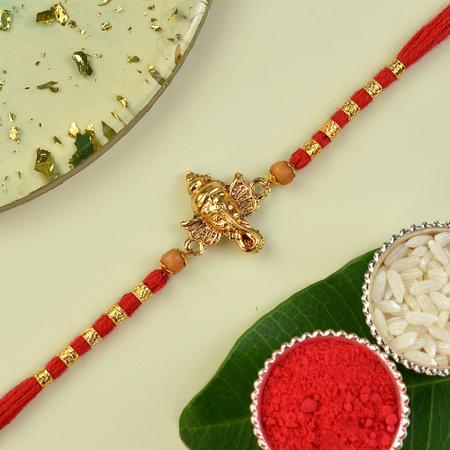
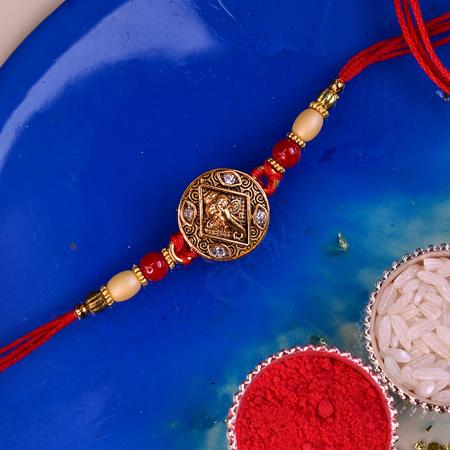
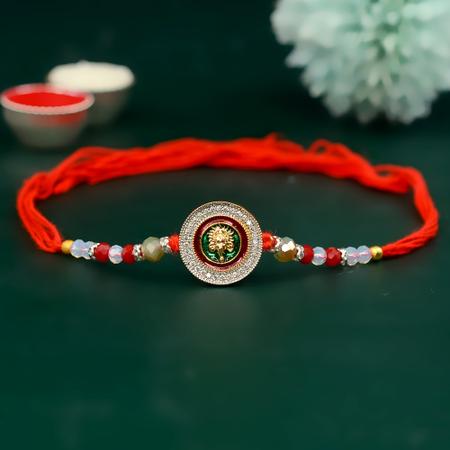
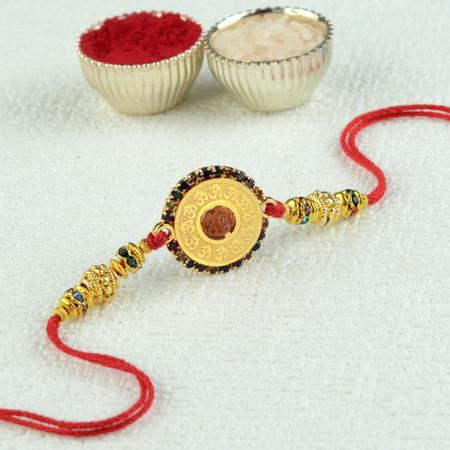
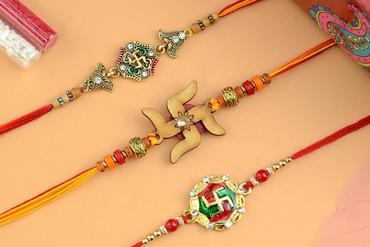
Anything that has an auspicious value or has a supreme connection with God is considered divine. Divine Rakhis are considered sacred and are designed with holy elements that are generally used in pujas like the swastika, coconut, Kalash, Trishul, and others. Some of the divine rakhis are also embellished with exquisite designs of Lord Ganesha, Lord Krishna, Goddess Lakshmi, Baal Gopal, and Jagannath. The collection of divine rakhis is truly exclusive and has a lot of variety to offer.
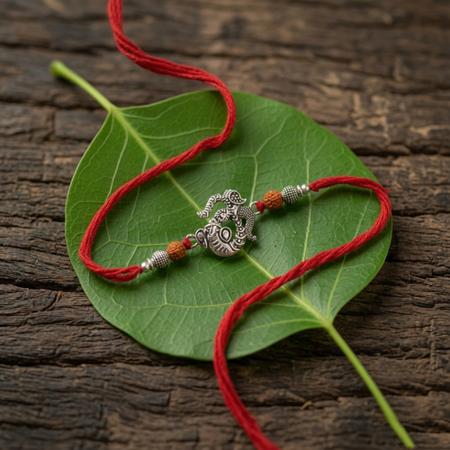
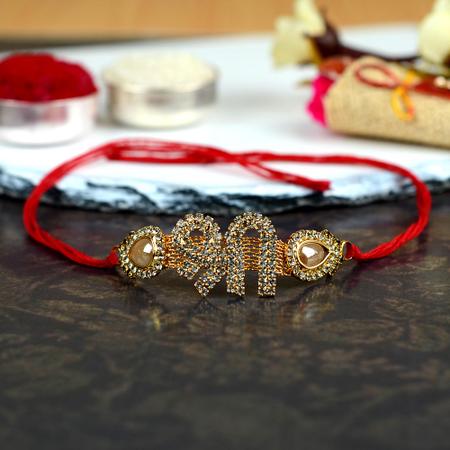
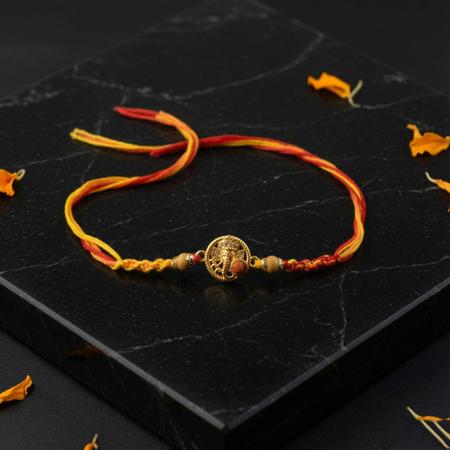
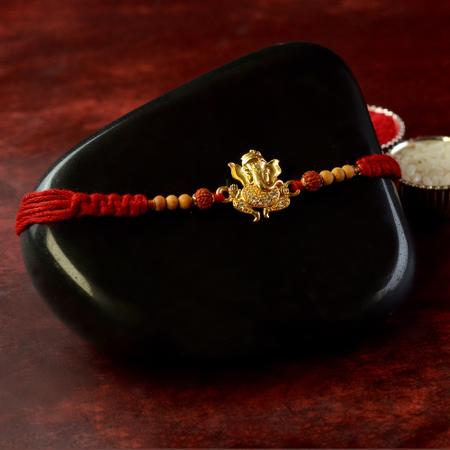
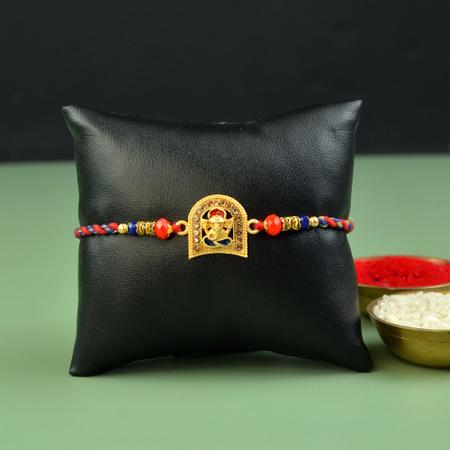
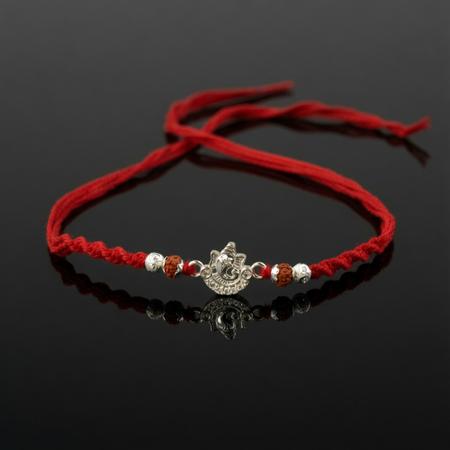
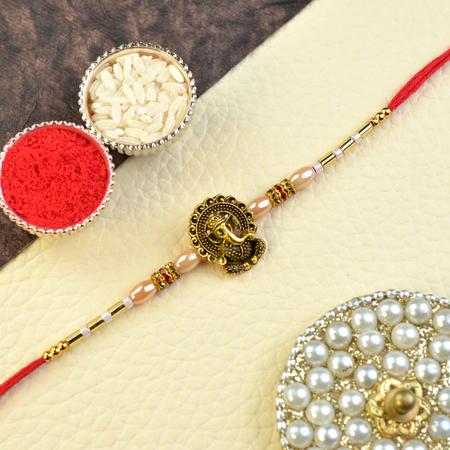
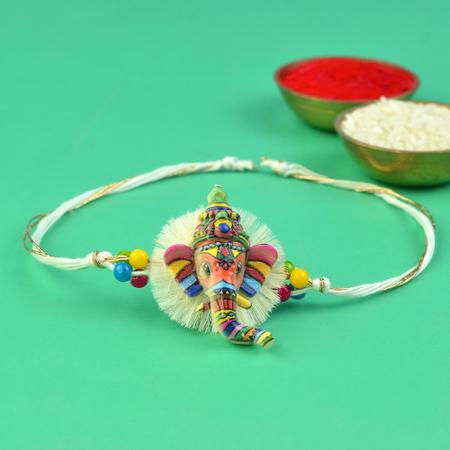
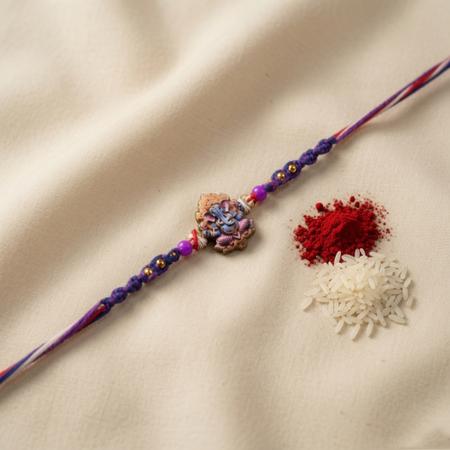
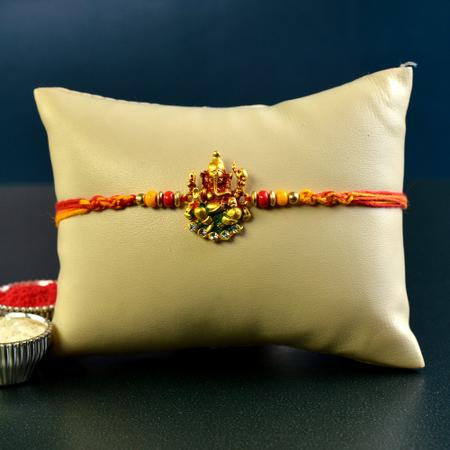
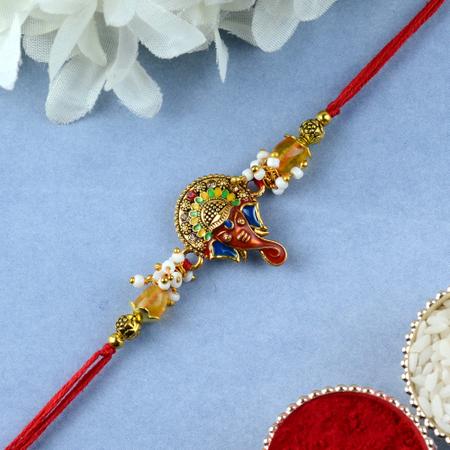
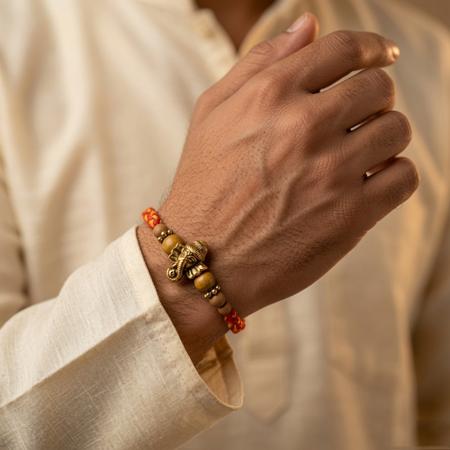
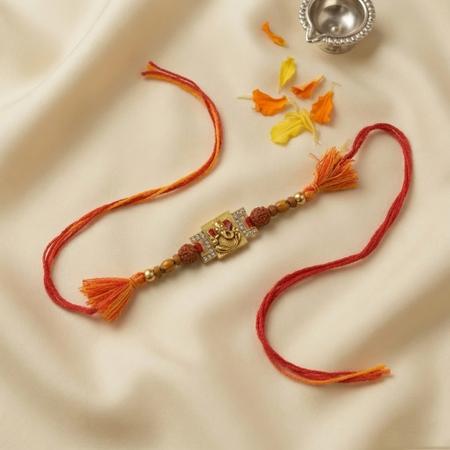
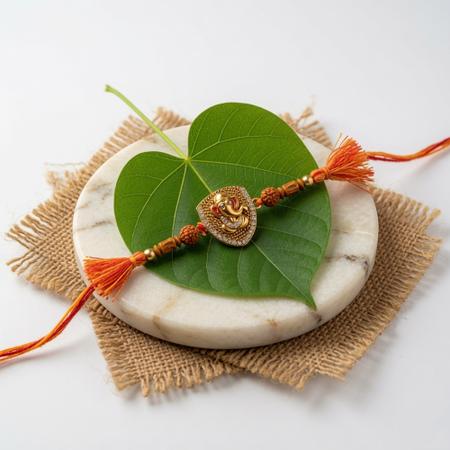
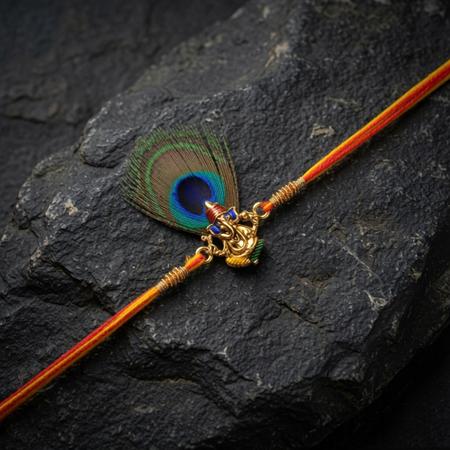
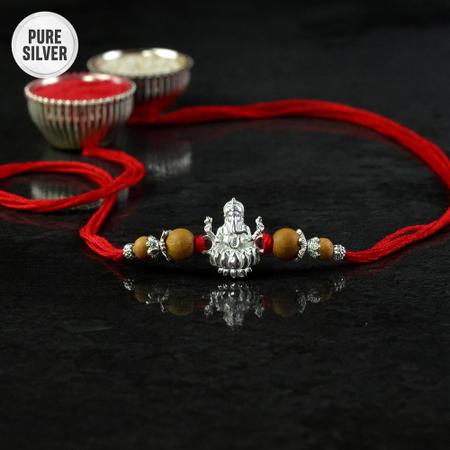
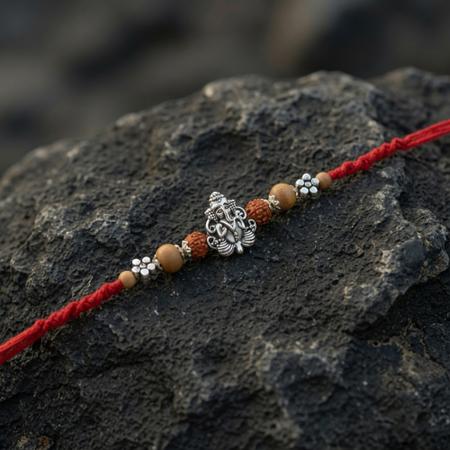
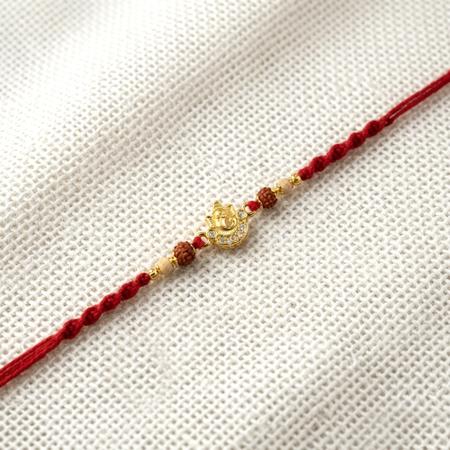
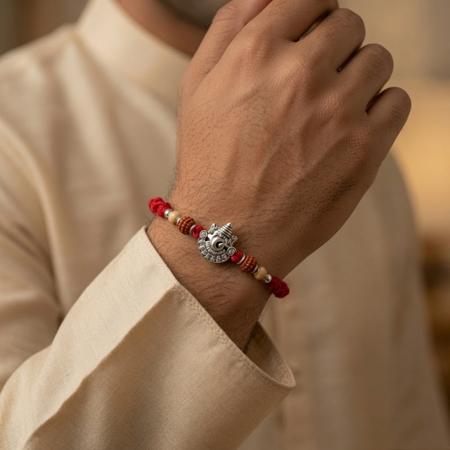
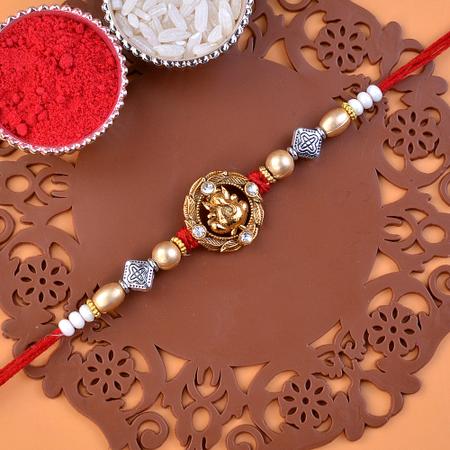
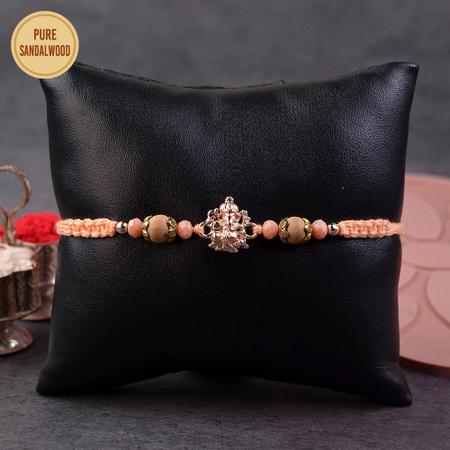
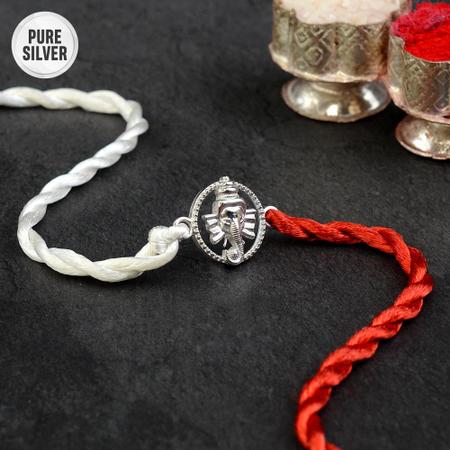
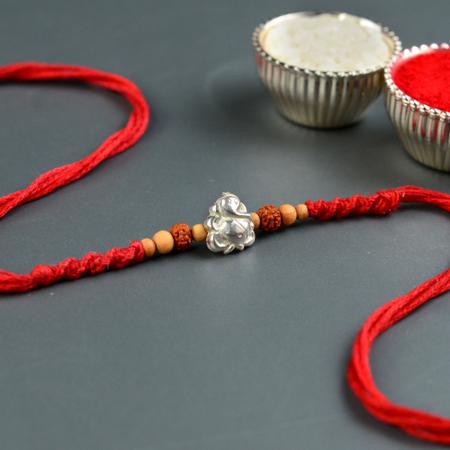
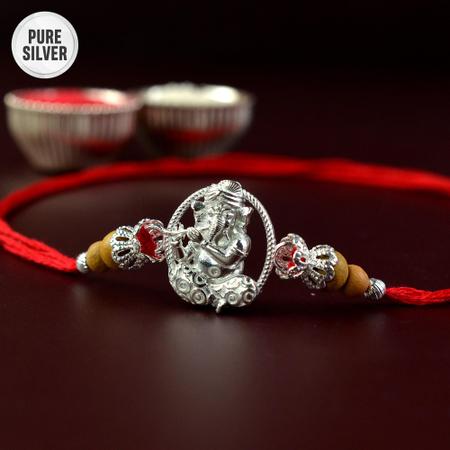
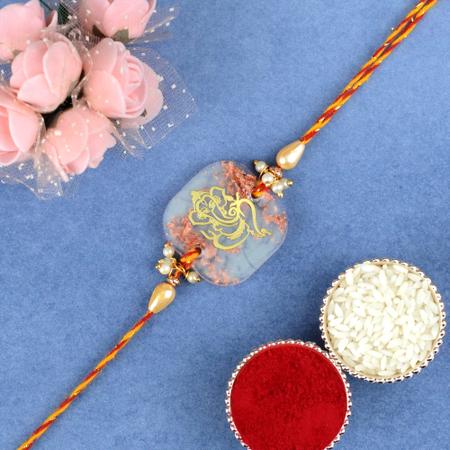
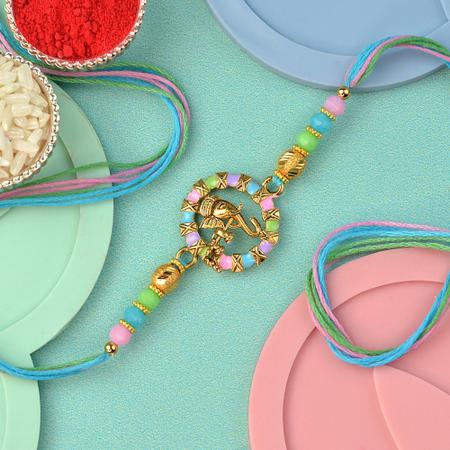
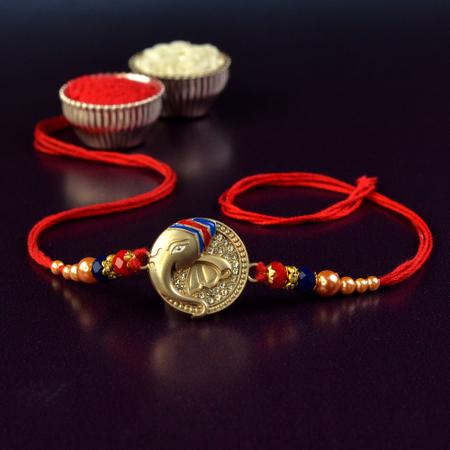
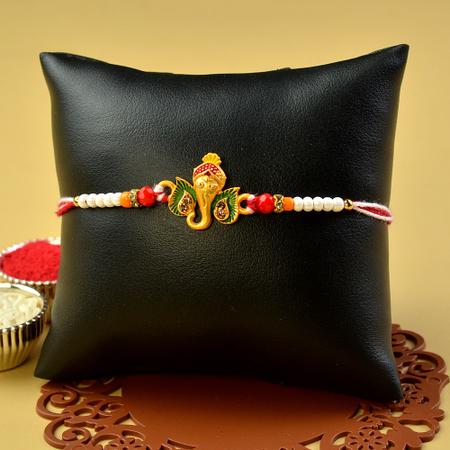
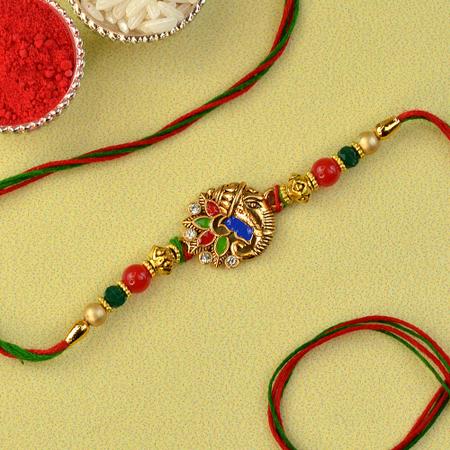
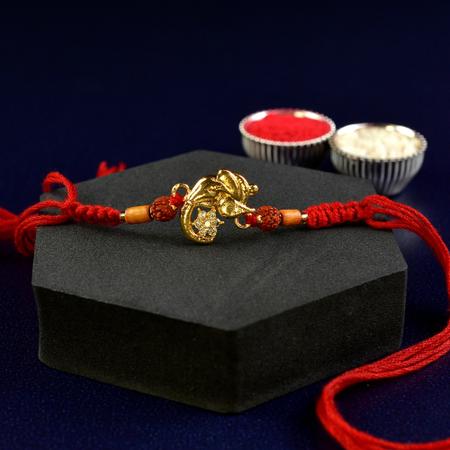
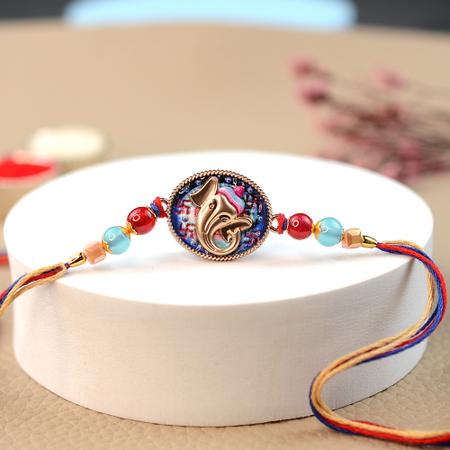
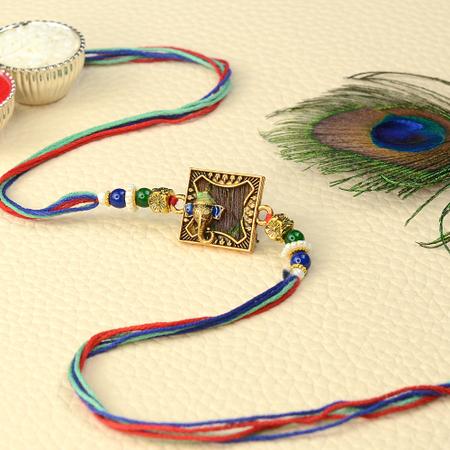
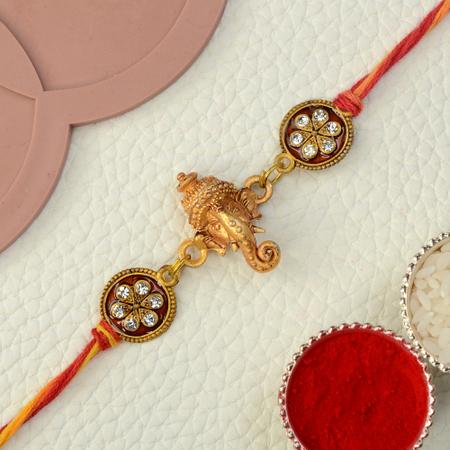
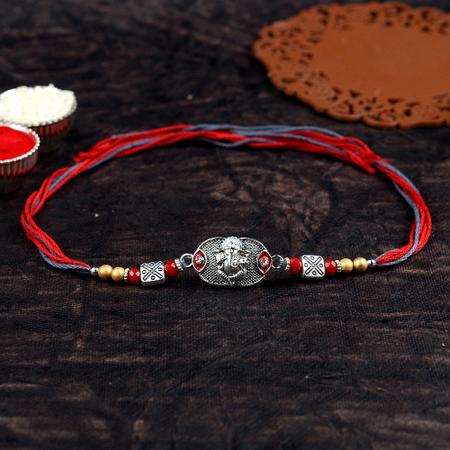
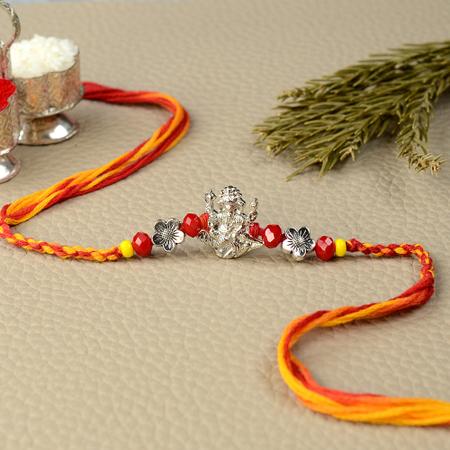
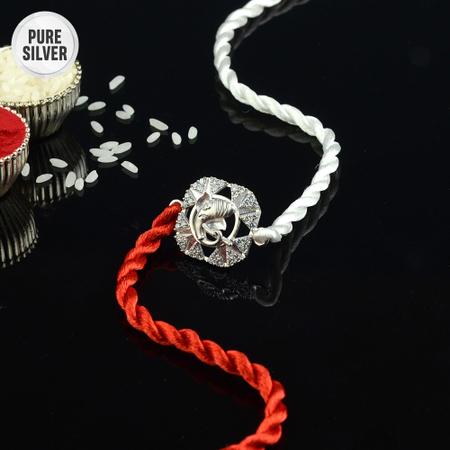
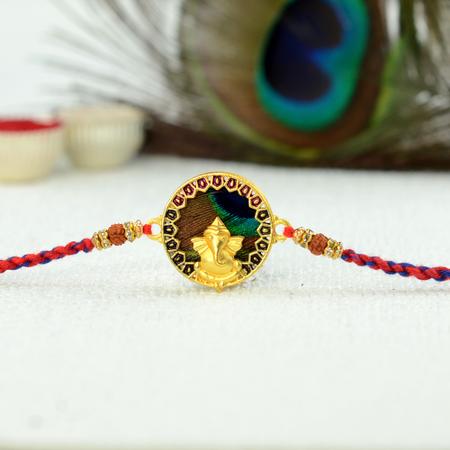
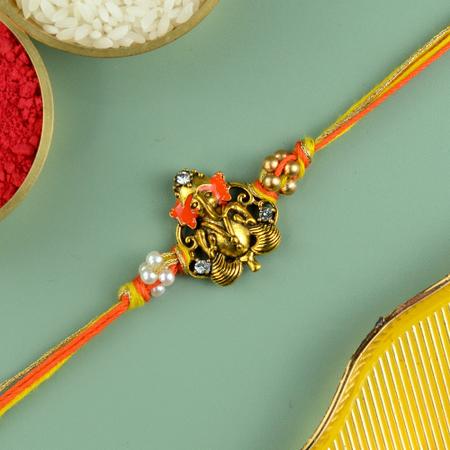
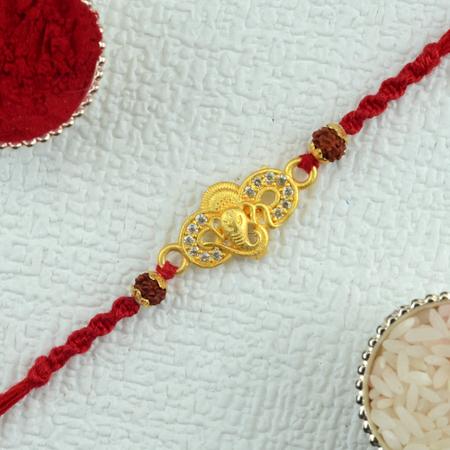
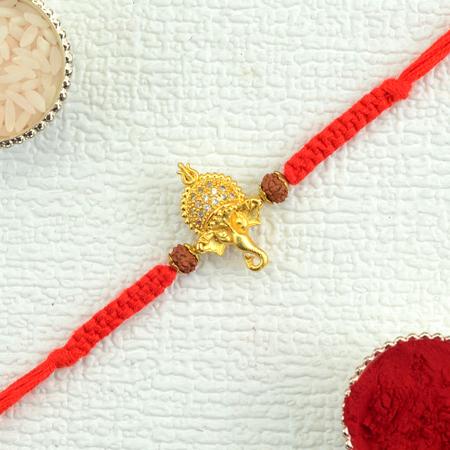
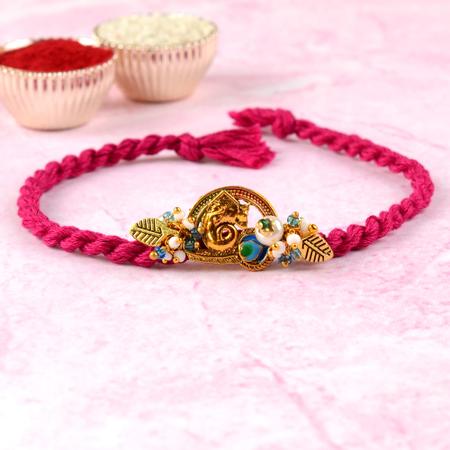
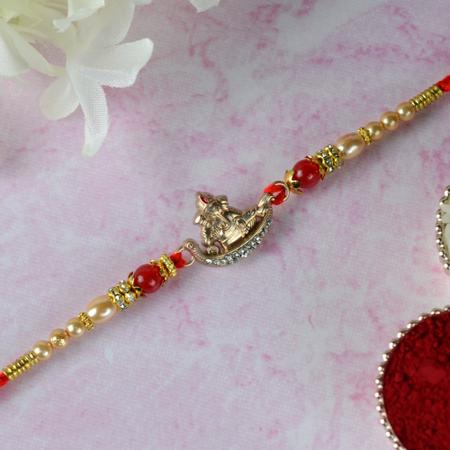
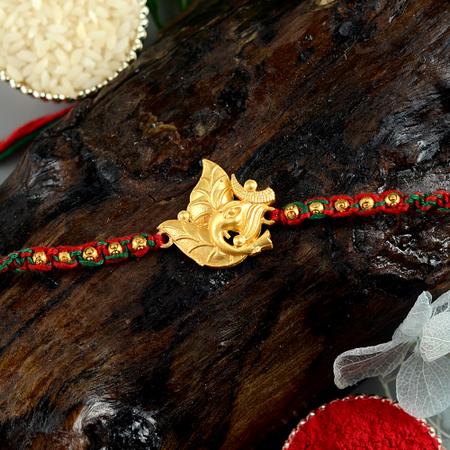
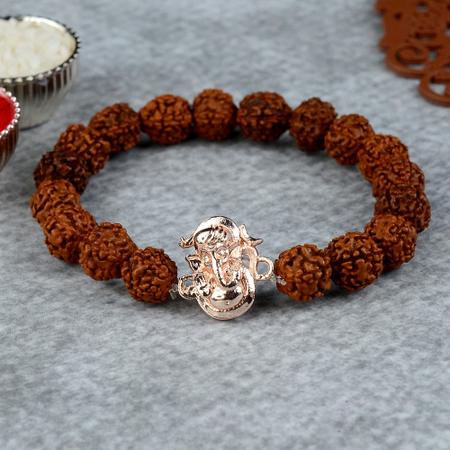
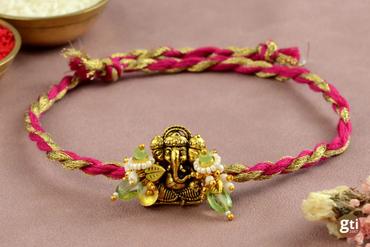
Ganesh, the elephant-headed God, is also known as the symbol of new beginnings and wisdom. He is worshiped widely before starting any new venture, as he is believed to remove all obstacles from our path. Lord Ganesh is highly revered in various parts of India. Tying a Ganesh rakhi is a unique way of filling your brother’s life with immense positivity. It can also be considered a token of good luck. The Ganesh rakhis on our website feature miniature ganesha carved with pure silver, metal, beads, and more.
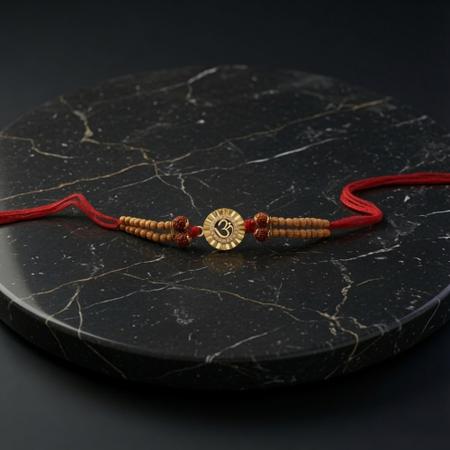
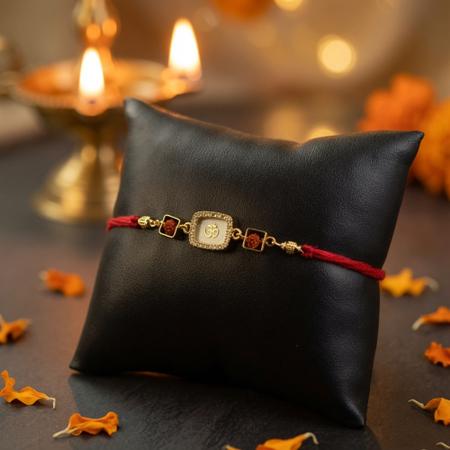
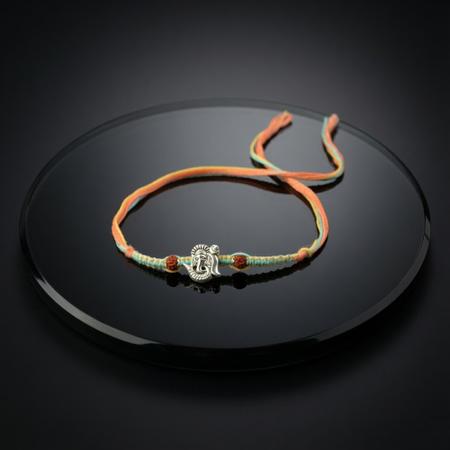
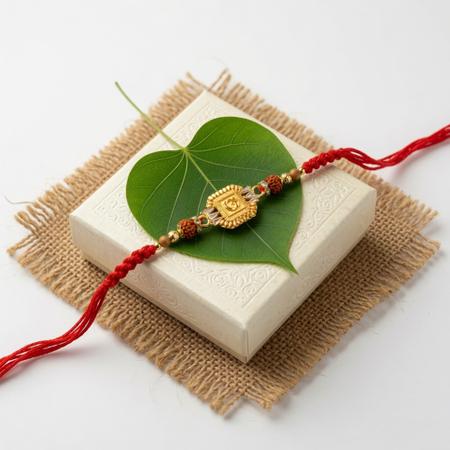
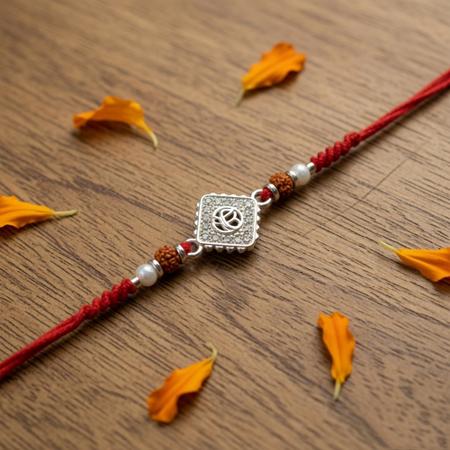
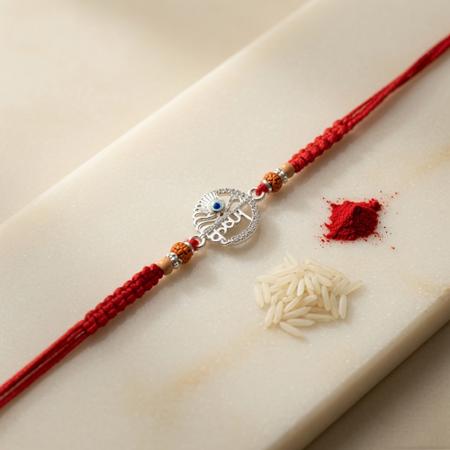
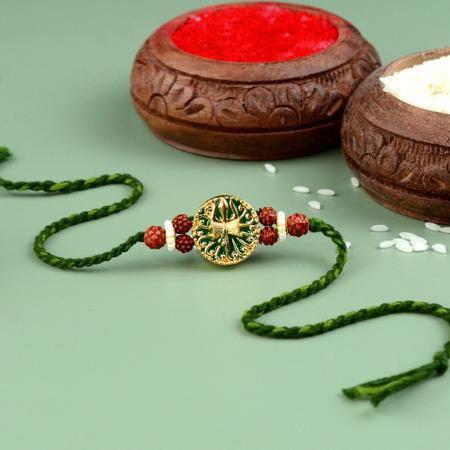
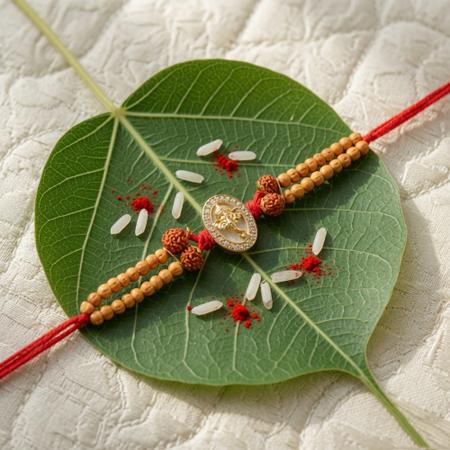
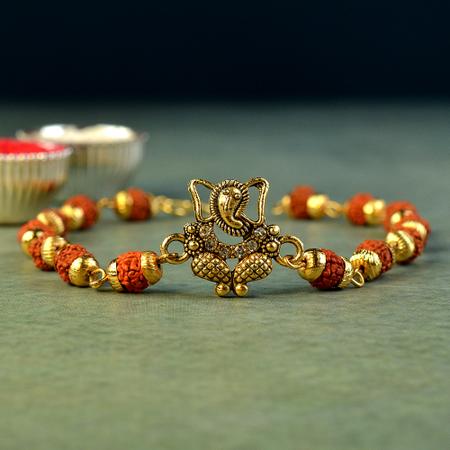
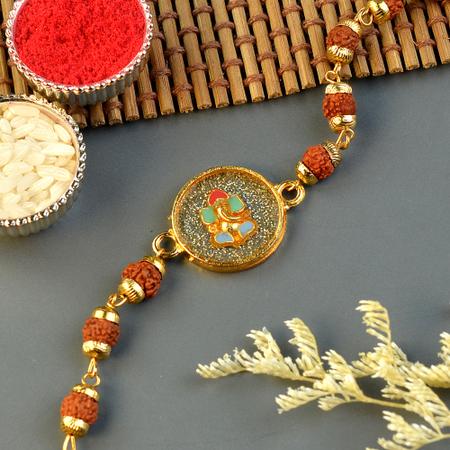
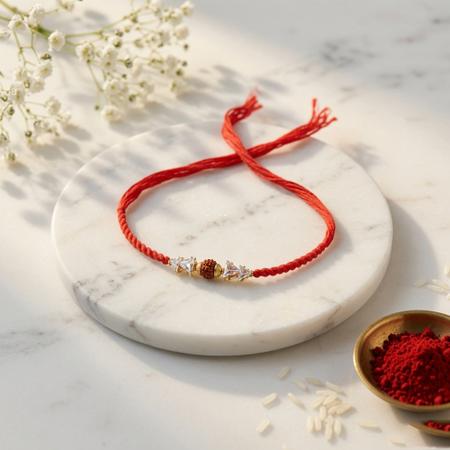
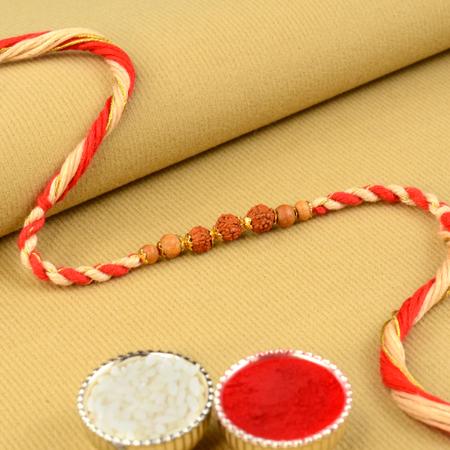
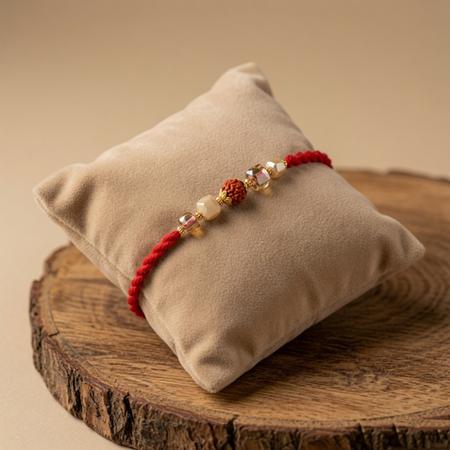
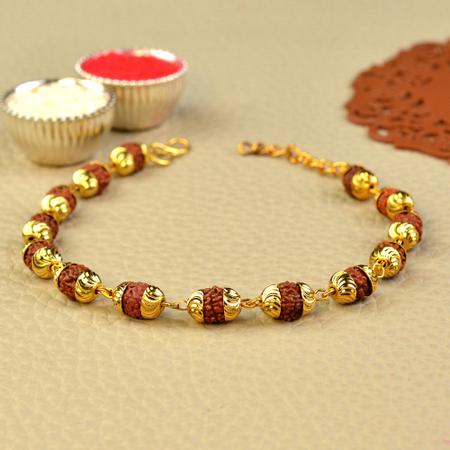
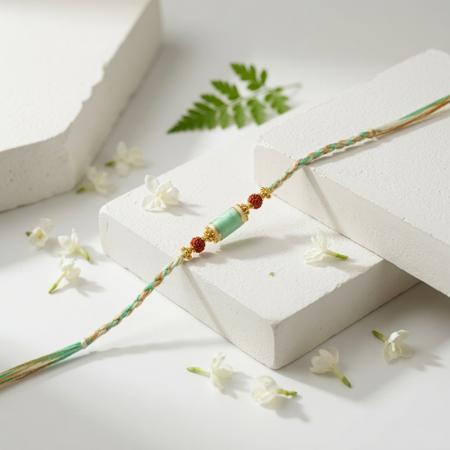
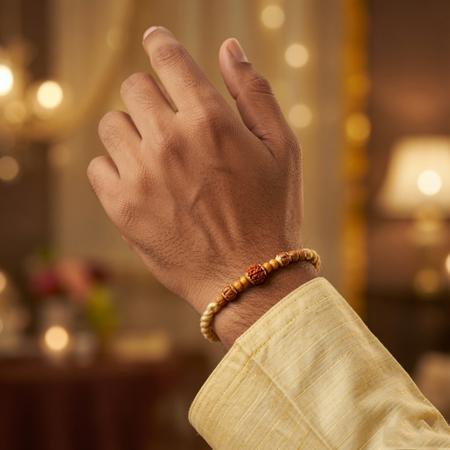
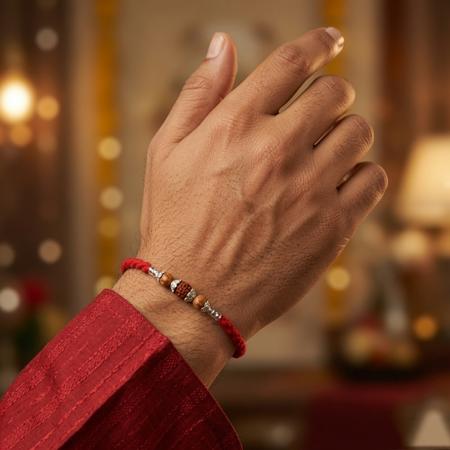
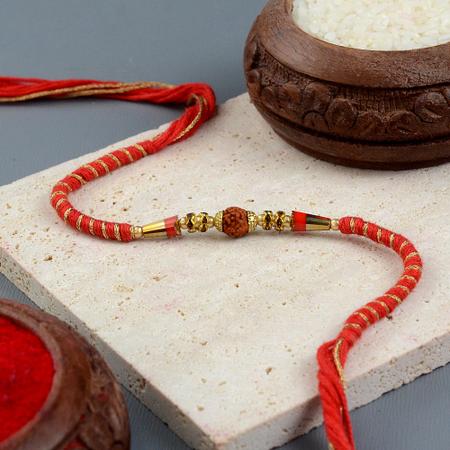
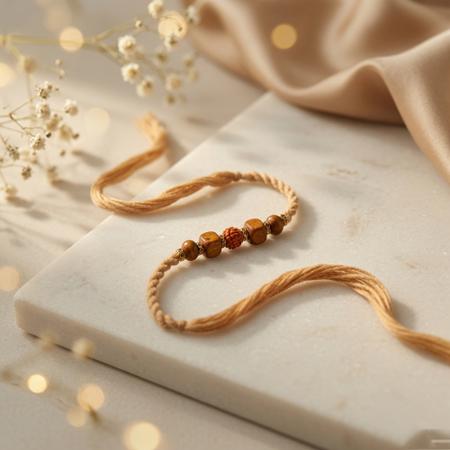
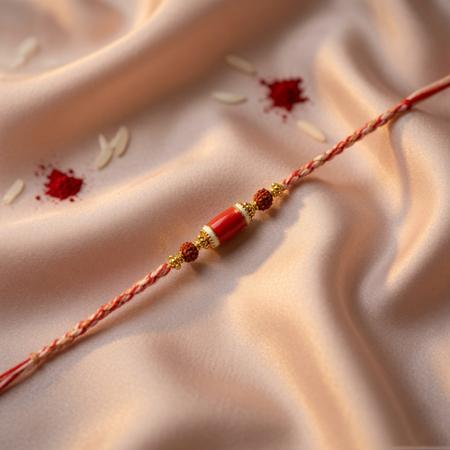
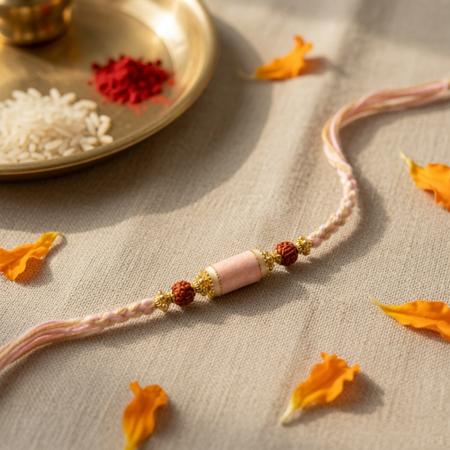
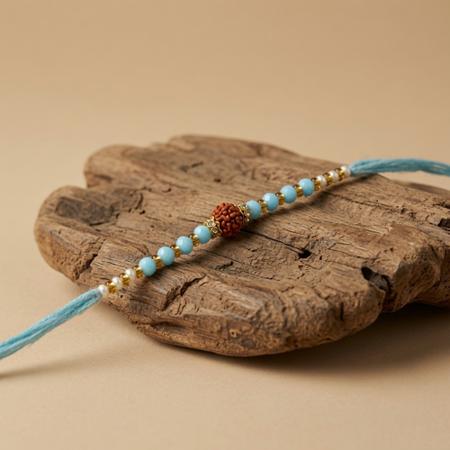
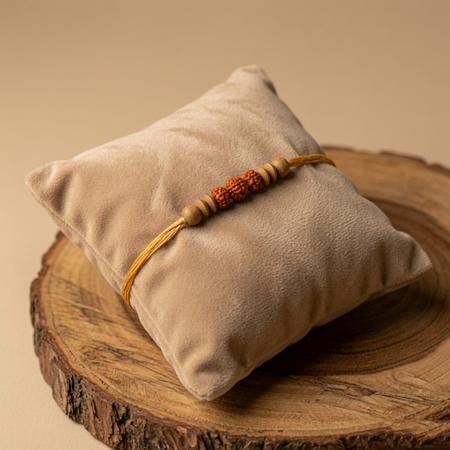
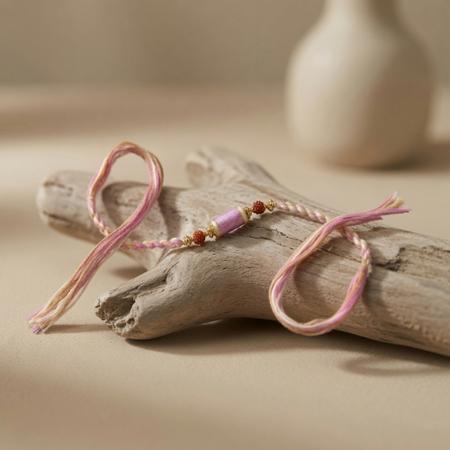
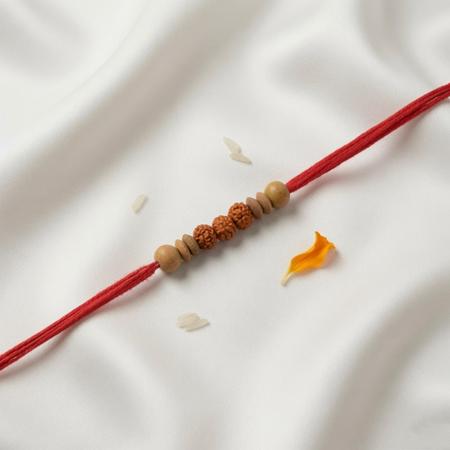
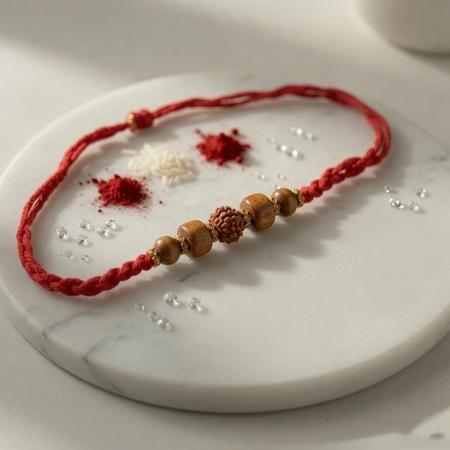
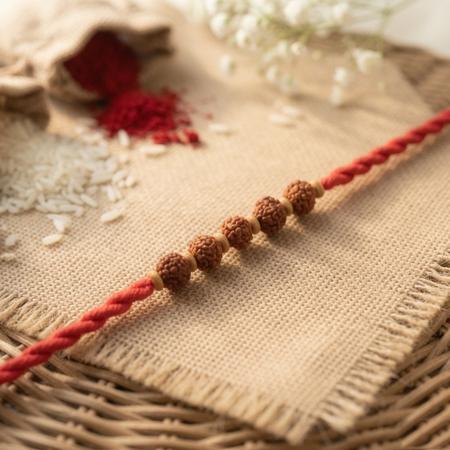
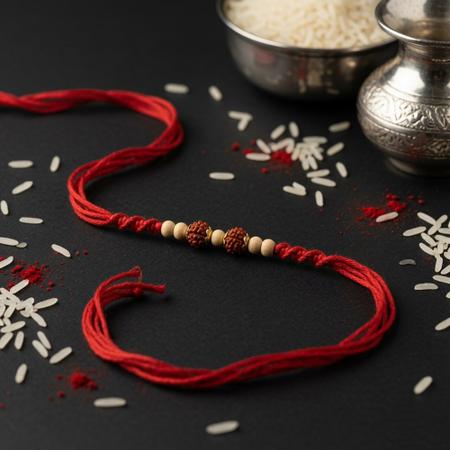
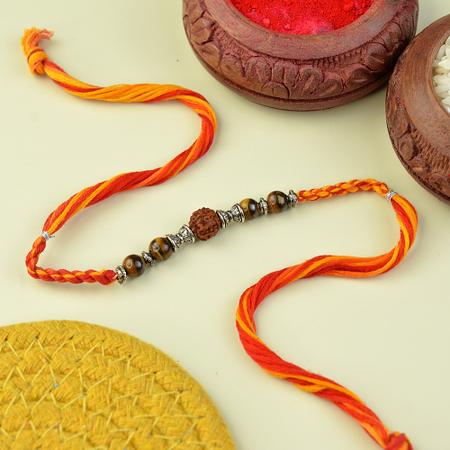
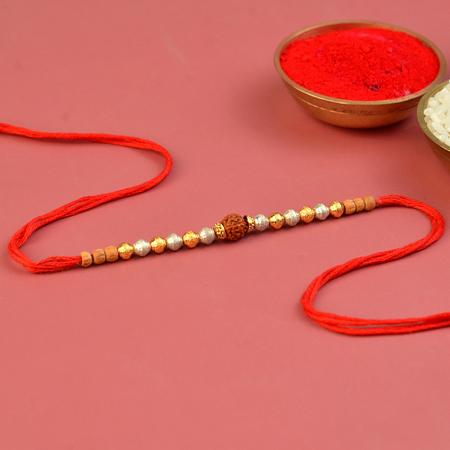
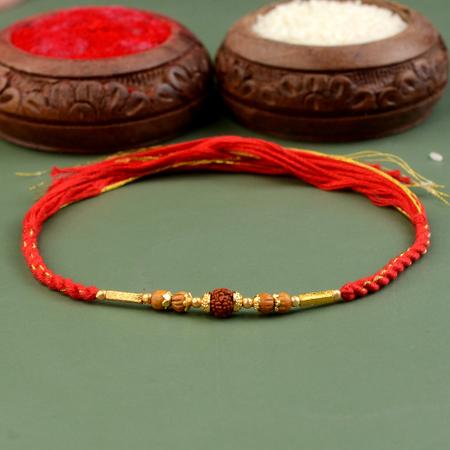
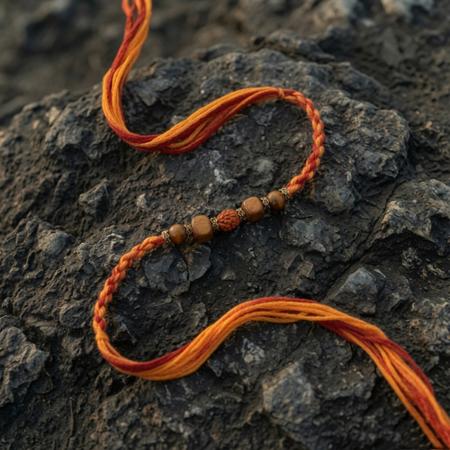
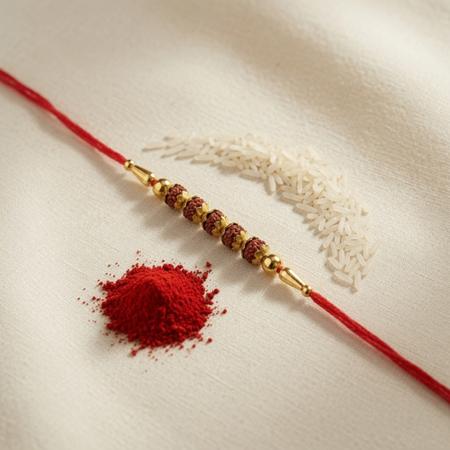
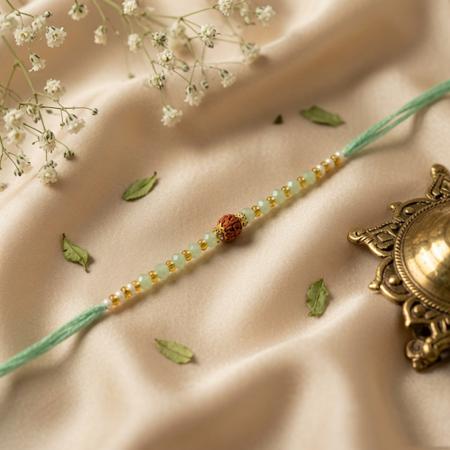
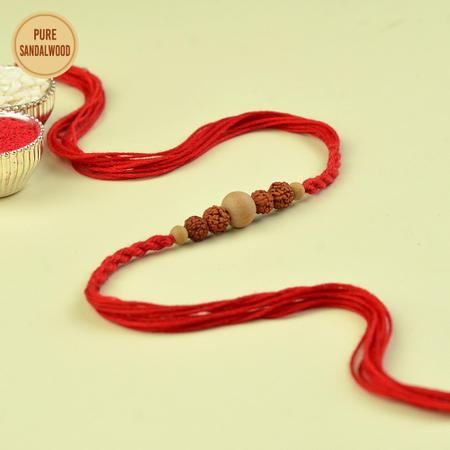
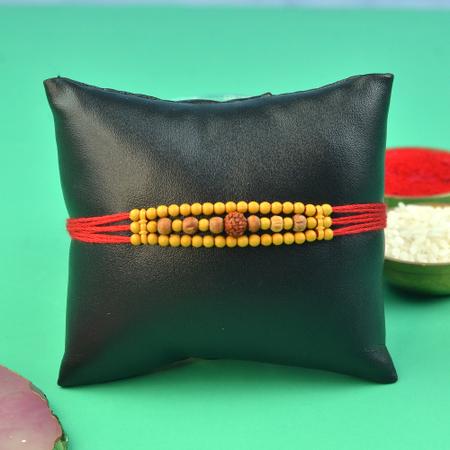
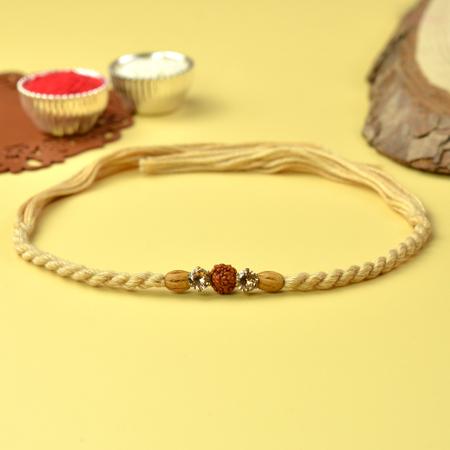
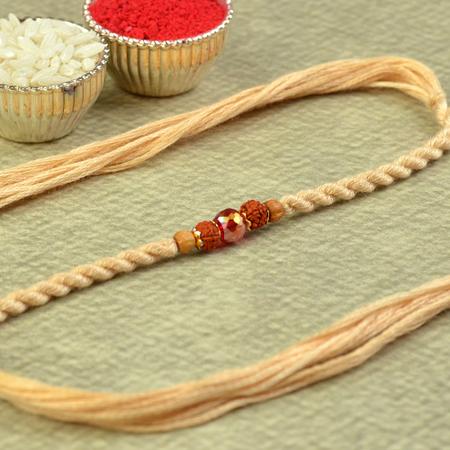
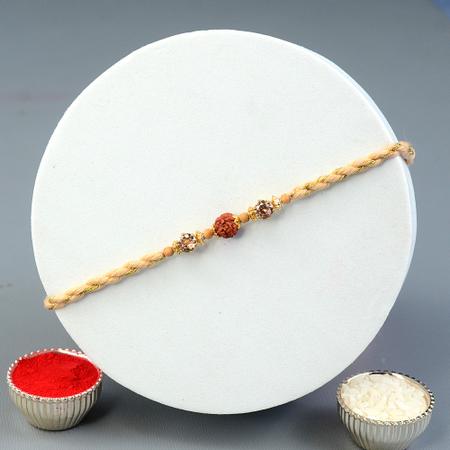
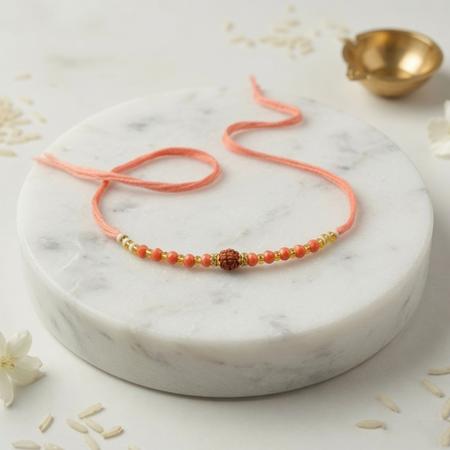
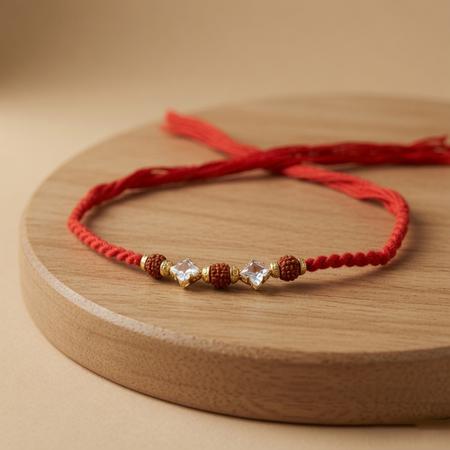
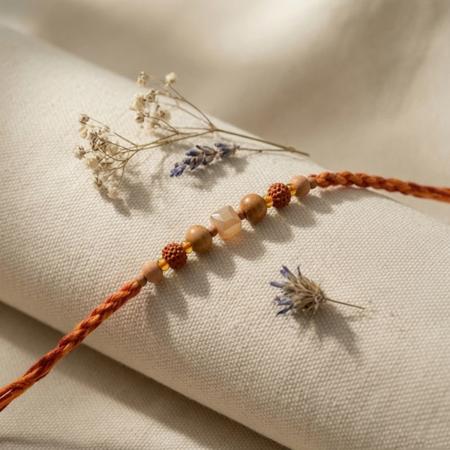
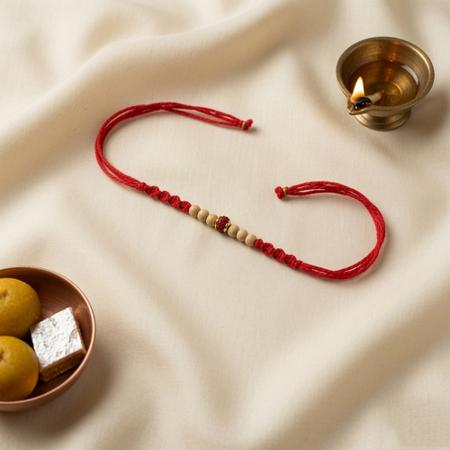
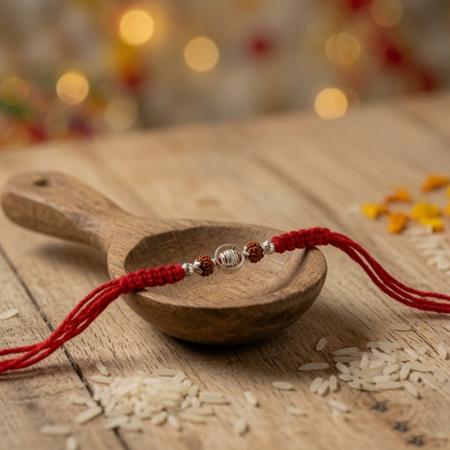
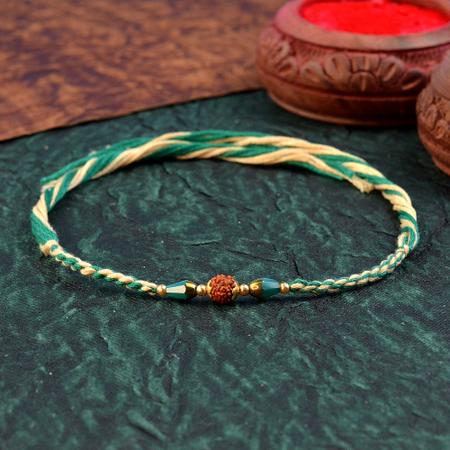
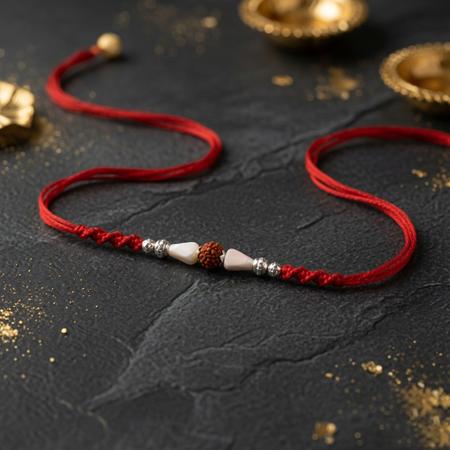
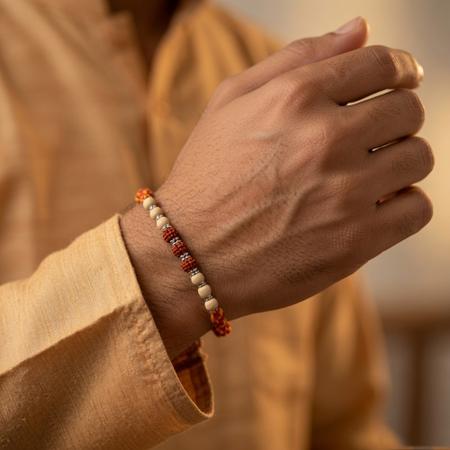
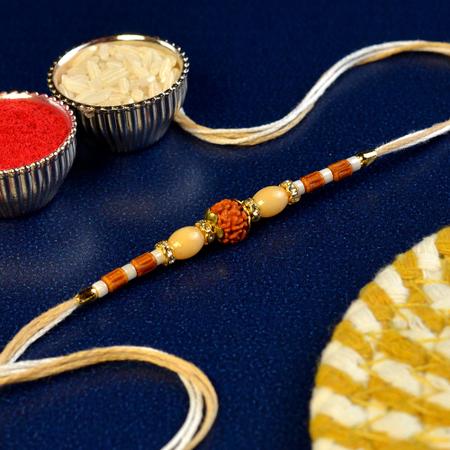
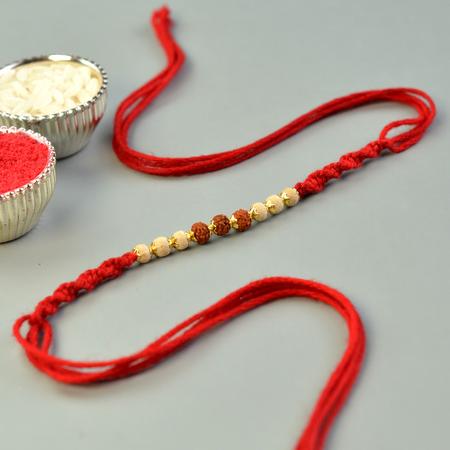
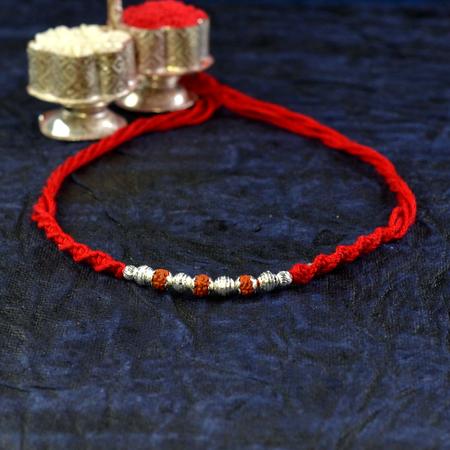
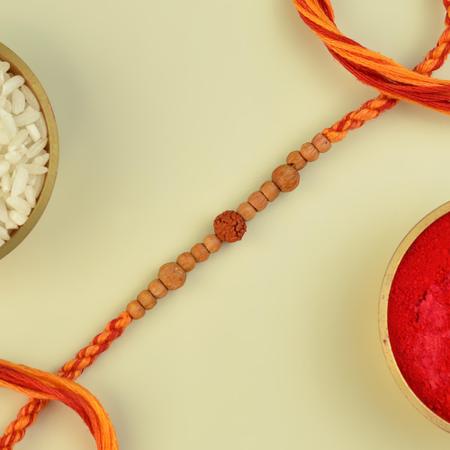
Rudraksha is known as one of the most precious beads because of its high healing powers. While Rudra means Shiva, Aksha means tears. Going by legend, Rudraksha rakhis are made from the teardrops of Lord Shiva. Rudraksha works as the protective shield of the body. It has a calming effect on the body and the senses. It protects the wearer from negative energies. Rudraksh Rakhis are known as a token of wealth and well-being and are also known as a divine source of positive energy.
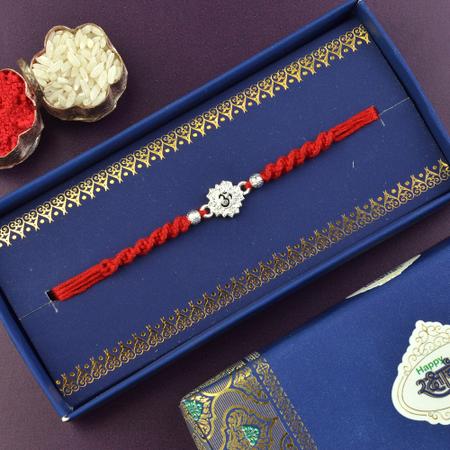
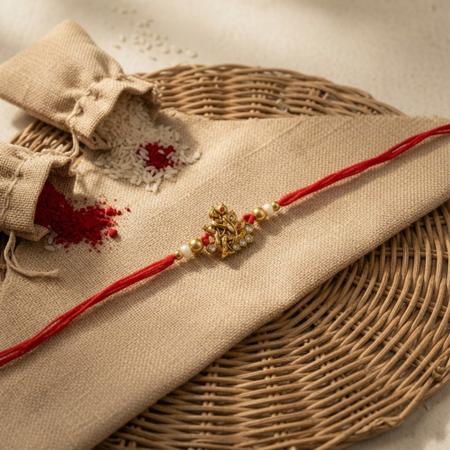
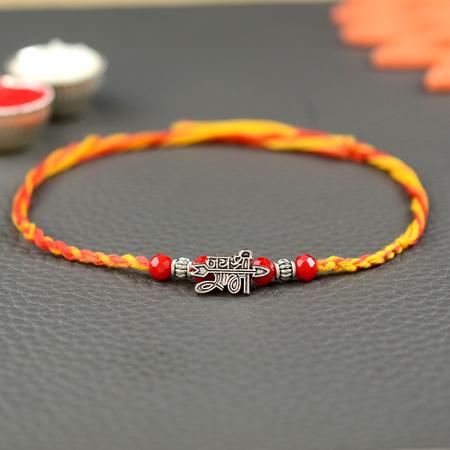
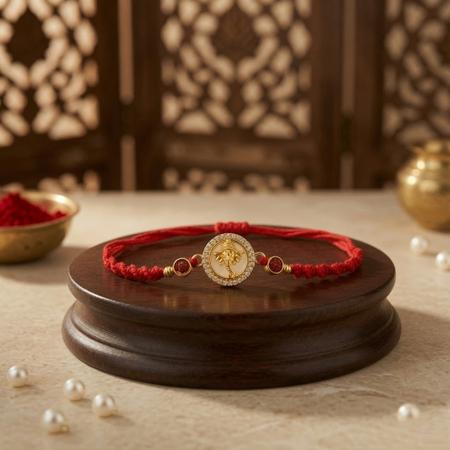
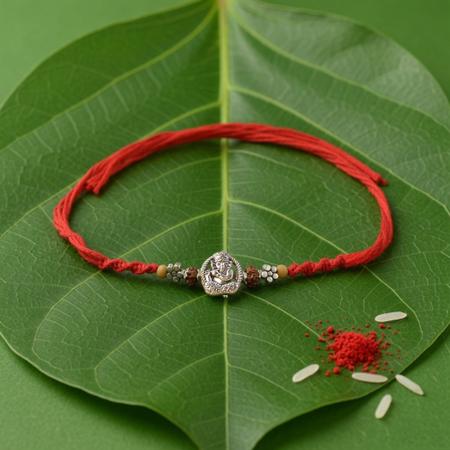
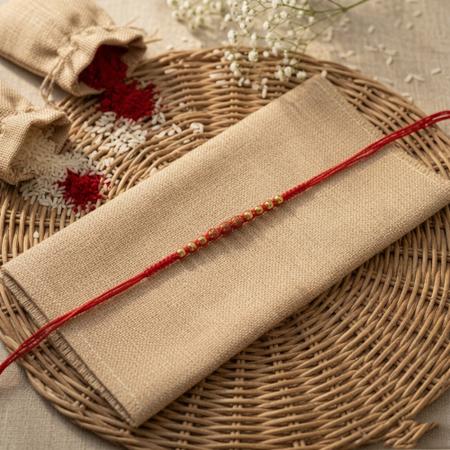
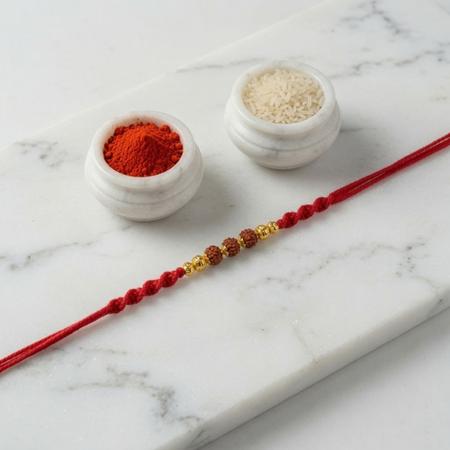
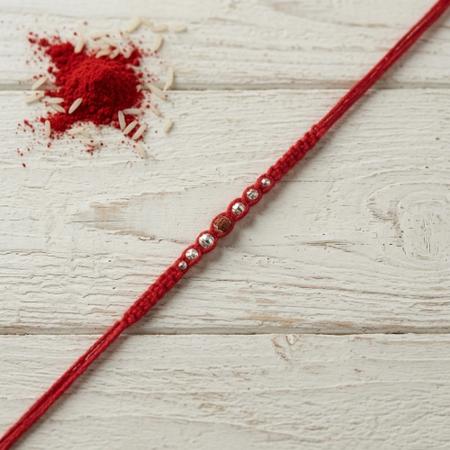
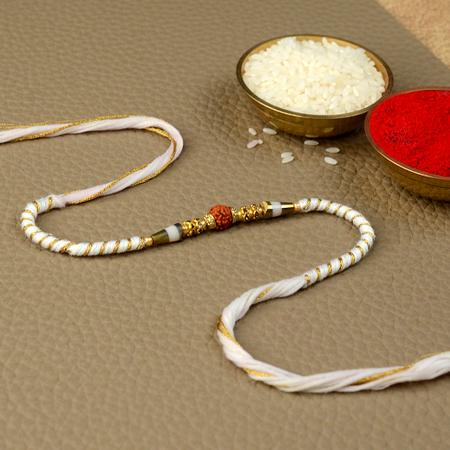
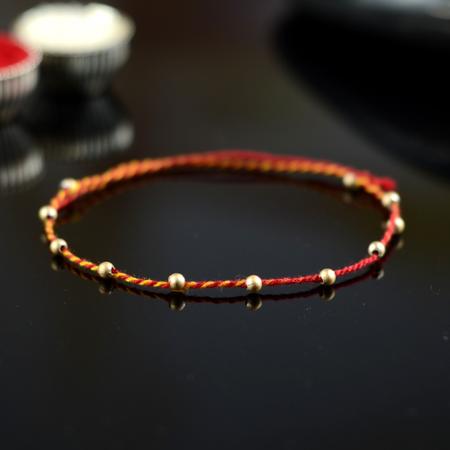
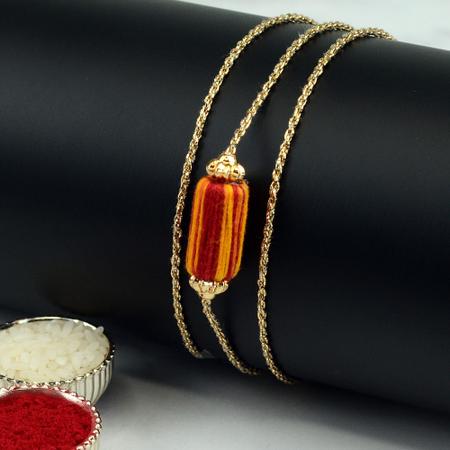
Raksha stands for protection, while sutra means thread. Tying Raksha Sutra is a common tradition according to Hinduism. It has its roots in mythology. It is known as a defense thread that was tied on the wrist of King Bali to protect his wife. Raksha Sutra blesses the wearer and the one who is tying it. It calms the mind of the wearer and protects it from all possible evils. The power of Raksha sutra is simply invincible. Like the unbreakable bond between brothers and sisters, the Raksha sutra can get tangled or twisted but never break. Sending traditional rakhis to your brothers on Raksha Bandhan can help you convey your heartiest wishes and make the occasion memorable.
The symbolism behind the Rakhi designs
A Rakhi is not merely a decorative thread tied around a sibling’s wrist—it carries deep cultural, spiritual, and emotional significance. Over generations, Rakhi designs have evolved from simple sacred threads into beautifully crafted symbols that represent protection, blessings, prosperity, strength, and the lifelong bond between siblings.
Many traditional Rakhi designs incorporate sacred motifs such as Om, Rudraksha, Lord Ganesh, and the Raksha Sutra, each carrying a unique meaning. These designs allow siblings to express not only love and affection but also their wishes for good fortune, spiritual well-being, and protection. Owing to their meaningful impact, these are the most loved and top Rakhis that sisters prefer.
Rakhi Design
Symbolism & Meaning
Om Rakhi
TheOm (ॐ) symbol represents divine energy, peace, and spiritual harmony in Hindu tradition. An Om Rakhi is believed to bring positive vibrations, blessings, and protection to the wearer while symbolizing a sibling’s prayers for happiness and well-being.
Rudraksha Rakhi
The Rudraksha bead is associated with Lord Shiva and is considered a symbol of strength, protection, and spiritual connection. A Rudraksha Rakhi represents blessings, inner peace, and the sibling’s wish for good health and prosperity.
Ganesh Rakhi
Featuring Lord Ganesha, the remover of obstacles, this Rakhi symbolizes wisdom, success, and new beginnings. It expresses the hope that the sibling is blessed with happiness, confidence, and the ability to overcome challenges.
Raksha Sutra Rakhi
The traditional Raksha Sutra (sacred thread) represents the original essence of Raksha Bandhan—the promise of protection, love, and lifelong support between siblings. It symbolizes purity, trust, and the emotional bond shared between a brother and sister.
Traditions and Rituals of Raksha Bandhan
While customs may vary across regions and communities, the essence of the tradition remains the same—a sister ties a Rakhi on her brother’s wrist as a symbol of affection, and a brother promises to protect, support, and care for her throughout life.
Ritual
Description
Symbolic Meaning
Preparing the Rakhi Thali
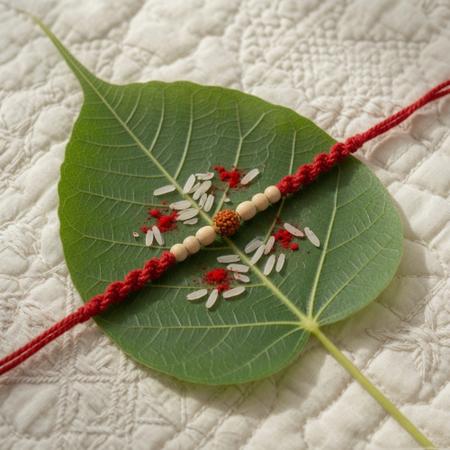
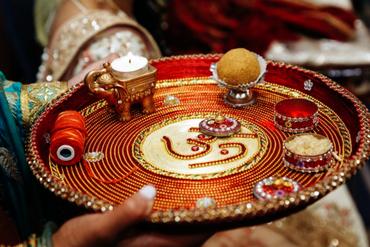
Sisters decorate a ceremonial plate (thali) with a Rakhi, roli (vermilion), rice grains, diya (lamp), sweets, and gifts.
Represents purity, blessings, and the festive spirit of the occasion.
Wearing Traditional Attire
Many families dress in traditional clothing such as sarees, kurtas, and festive outfits for the celebration.
Reflects respect for cultural heritage and the importance of the festival.
Tilak Ceremony
The sister applies a tilak of roli or sandalwood paste on her brother’s forehead.
Symbolizes prayers for his happiness, success, and protection.
Tying the Rakhi
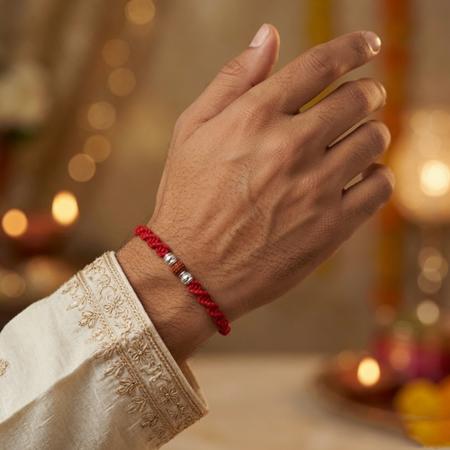
The sister ties the sacred thread around her brother’s wrist while offering prayers.
Represents love, trust, and the promise of lifelong support.
Offering Sweets
After tying the Rakhi, siblings exchange and share sweets such as laddoos, barfi, and traditional mithai.
Signifies sharing happiness, affection, and sweet memories.
Brother’s Gift to Sister
Brothers give gifts, money, or thoughtful presents as a gesture of appreciation and love.
Represents gratitude and the brother’s commitment to the relationship.
Seeking Family Blessings
Younger family members often seek blessings from elders after the ceremony.
Strengthens family values and respect across generations.
Family Meal & Celebration
Families gather for festive meals and spend quality time together.
Reinforces family unity and togetherness.
Regional Rakhi Styles
While the essence of the festival remains the same—the sacred bond of love and protection between siblings—the design, materials, and symbolism of Rakhis vary from region to region. Traditional craftsmanship, local art forms, and cultural beliefs influence Rakhi styles, making each design unique and meaningful.
From sacred Mauli threads and spiritual motifs to elaborate Kundan work and handcrafted eco-friendly designs, regional Rakhis represent India’s rich cultural diversity.
1. North Indian Rakhi Styles
Traditional Mauli Rakhi & Zari Rakhi
Design Features:
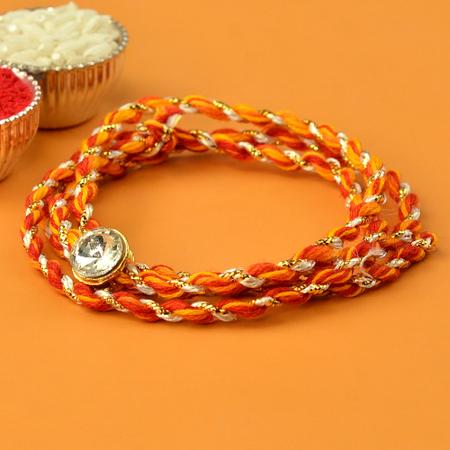
Red and yellow sacred threads
Zari (golden thread) embellishments
Beads, pearls, and decorative stones
Religious motifs such as Om, Swastik, and Ganesh
Cultural Significance: Traditional Rakhis from North India focus on the spiritual meaning of Raksha Bandhan. The sacred thread represents protection, blessings, and the promise of lifelong support between siblings.
Popular Among: Families who prefer classic and traditional Rakhi designs.
2. Rajasthan & Gujarat Rakhi Styles
Kundan Rakhi & Lumba Rakhi
Design Features:
Intricate Kundan stonework
Colorful beads and pearls
Mirror work and royal-inspired patterns
Hanging Lumba designs for sisters-in-law
Cultural Significance: Rajasthani and Gujarati Rakhis are known for their elegance and craftsmanship. The Lumba Rakhi, traditionally tied to a brother’s wife, symbolizes the inclusion of the sister-in-law in the family bond.
Popular Among: Those looking for premium, designer, and festive Rakhis.
3. Maharashtrian Rakhi Styles
Silk Thread Rakhi & Traditional Mauli Rakhi
Design Features:
Simple silk or cotton threads
Gold and silver accents
Religious symbols and traditional motifs
Cultural Significance:
Maharashtrian Rakhi styles reflect simplicity and devotion. Raksha Bandhan is also associated with Narali Purnima in coastal Maharashtra, adding cultural significance to the celebration.
Popular Among: Families who value traditional and spiritual designs.
4. Bengali Rakhi Styles
Handcrafted Thread Rakhis & Artistic Designs
Design Features:
Colorful threads
Handmade patterns
Floral designs
Artistic and creative motifs
Cultural Significance: Bengali Rakhi styles highlight creativity and emotional expression. The festival is often viewed as a celebration of harmony, relationships, and social bonding.
Popular Among: Those who appreciate handmade and artistic Rakhi designs.
5. South Indian Rakhi Styles
Religious Motif & Premium Rakhis
Design Features:
Om and Ganesh motifs
Rudraksha beads
Temple-inspired designs
Gold-plated elements
Cultural Significance: South Indian Rakhi designs often combine spirituality with elegance. Symbols of devotion are included to offer blessings of prosperity, wisdom, and protection.
Popular Among: Siblings who prefer meaningful and spiritual gifts.
6. Punjabi Rakhi Styles
Colorful Designer Rakhis
Design Features:
Bright colors
Beads and stones
Cartoon-themed designs
Decorative embellishments
Cultural Significance: Punjabi celebrations are known for their energy and joy, and Rakhi designs often reflect this festive spirit through vibrant and eye-catching styles.
Popular Among: Children, teenagers, and those who enjoy trendy designs.
7. Uttar Pradesh & Bihar Rakhi Styles
Mauli & Beaded Rakhis
Design Features:
Sacred red-yellow threads
Beads, Rudraksh, and Pearls
Traditional religious symbols
Cultural Significance: These Rakhis emphasize the traditional rituals of Raksha Bandhan, focusing on prayers, blessings, and the sacred promise between siblings.
Popular Among: Families following traditional celebrations.
8. Odisha Rakhi Styles
Handcrafted Thread Rakhis
Design Features:
Simple handmade patterns
Natural fibers
Traditional colors
Cultural Significance: Odisha’s Rakhi styles highlight local craftsmanship and simplicity, reflecting the importance of handmade artistry.
Popular Among: Those seeking authentic and minimal designs
9. Himalayan Region Rakhi Styles
Woolen & Handmade Rakhis
Design Features:
Wool threads
Natural materials
Local handcrafted patterns
Cultural Significance: These Rakhis represent regional artistry and the use of locally available materials, reflecting the traditions of mountain communities.
Popular Among: Buyers looking for unique handcrafted designs.
10. Northeast Indian Rakhi Styles
Eco-Friendly & Artisan Rakhis
Design Features:
Bamboo and jute materials
Natural fibers
Tribal-inspired patterns or divine symbols like Om
Cultural Significance: Rakhis from the Northeast often showcase sustainable practices and indigenous craftsmanship, connecting the festival with nature and local traditions.
Popular Among: Environment-conscious customers and lovers of handmade products.
Customer Stories
From spiritual Rakhis carrying divine blessings to handcrafted designs reflecting regional heritage, these stories showcase how meaningful choices make Raksha Bandhan celebrations more memorable.
The Om Rakhi That Carried a Sister’s Blessings
Customer: Kavya, Delhi
The Story: Kavya wanted to send her brother a Rakhi that represented positivity, peace, and protection. Since her brother had recently started college, she wanted a design that reflected her prayers for his success and happiness.
The Gift: An Om Rakhi paired with traditional sweets and a personalized message wishing him prosperity.
The Moment: Her brother appreciated the spiritual significance of the Om symbol and shared that the Rakhi felt like a reminder of his sister’s constant support.
Outcome: The Om Rakhi became a symbol of encouragement, positivity, and their lifelong sibling connection.
Ganesh Rakhi for New Beginnings
Customer: Rohan, Pune
The Story: Rohan’s sister wanted to celebrate his first Raksha Bandhan after starting a new business venture. She wanted a Rakhi that symbolized success and the removal of obstacles.
The Gift: A Ganesh Rakhi combined with a personalized gift box.
The Moment: Rohan appreciated the significance of Lord Ganesha’s symbolism and felt the Rakhi represented his sister’s blessings for his new journey.
Outcome: The Ganesh Rakhi became a meaningful reminder of family support during an important milestone.
Traditional Rakhis are much more than decorative threads—they are meaningful symbols of love, blessings, protection, and the enduring bond between siblings. Each design carries its own cultural and spiritual significance, reflecting generations of traditions passed down through families. From the sacred simplicity of the Mauli Rakhi to the divine blessings represented by Om, Rudraksha, and Ganesh Rakhis, every style tells a unique story of faith, affection, and connection.
Sreemoyee Bhattacharya
With years of experience and expertise, Sreemoyee specializes in creating engaging, research-backed digital content that informs and inspires readers. With experience in writing articles, blogs, press releases, product descriptions, and website copy, she simplifies complex topics into clear, reader-friendly content. Her work combines thoughtful storytelling with SEO best practices to ensure every article is both informative and easy to discover. Passionate about delivering accurate, high-quality content, she strives to help readers make informed decisions while exploring the latest trends, ideas, and insights.